


Over ninety percent of Australian businesses now depend on digital strategies to attract and nurture high quality B2B leads. With corporate buyers facing an overload of generic pitches, standing out in this environment demands precision targeting and authentic relationship-building. This article reveals the essential methods and metrics that successful Australian organisations use to turn cold prospects into real business opportunities, helping you move beyond basic tactics for results that actually matter.
Table of Contents
- Defining B2B Lead Generation Essentials
- Major Types of B2B Lead Generation Approaches
- How Digital B2B Lead Generation Operates
- Key Metrics and Success Factors in Lead Generation
- Common Pitfalls and How to Avoid Them
Key Takeaways
| Point | Details |
|---|---|
| Effective Lead Generation | Prioritise creating targeted digital strategies that foster relationships with decision makers and enhance conversion rates. |
| Utilise Multiple Channels | Implement a multi-channel approach combining content marketing, social media, and SEO to optimise reach and engagement with potential clients. |
| Monitor Key Metrics | Regularly track critical metrics like conversion rate and lead quality score to refine strategies and maximise marketing effectiveness. |
| Avoid Common Pitfalls | Address challenges such as inadequate lead qualification and generic approaches by focusing on personalised strategies and consistent follow-up. |
Defining B2B Lead Generation Essentials
B2B lead generation represents a strategic process where businesses identify, attract, and convert potential corporate clients into qualified prospects. Unlike consumer marketing, B2B lead generation focuses on building relationships with decision makers who can significantly impact purchasing choices for entire organisations. When executed effectively, this approach transforms cold contacts into warm business opportunities.
The core mechanism of B2B lead generation involves creating targeted digital strategies that capture the attention of potential business clients. These strategies often include comprehensive content marketing, search engine optimisation, professional networking, and precisely targeted advertising campaigns. Successful approaches leverage multiple digital channels to create a seamless experience that nurtures potential leads through their decision making journey.
Key elements of effective B2B lead generation include:
- Developing detailed ideal customer profiles
- Creating high value educational content
- Implementing robust tracking and analytics systems
- Designing personalised engagement workflows
- Utilising advanced marketing automation technologies
Pro Tip – Strategic Lead Capture: Design lead generation assets that provide genuine value to potential business clients, such as industry research reports, advanced calculators, or exclusive webinars that solve specific professional challenges.
By understanding and implementing sophisticated B2B lead generation techniques, businesses can transform their digital marketing approach from generic outreach to precision targeted relationship building.
Major Types of B2B Lead Generation Approaches
B2B lead generation encompasses multiple strategic approaches designed to attract and convert potential business clients. Modern marketing techniques leverage diverse digital channels to connect with decision makers and create meaningful business opportunities. These approaches range from traditional outreach methods to sophisticated digital marketing strategies that utilise advanced technological platforms.
Key B2B lead generation approaches include:
- Content Marketing: Creating valuable, industry-specific content that addresses professional challenges
- Social Media Marketing: Engaging potential clients through targeted professional networks
- Search Engine Optimisation: Improving online visibility to attract potential business leads
- Paid Digital Advertising: Implementing strategic pay-per-click and targeted advertising campaigns
- Email Marketing: Developing personalised outreach programs with segmented communication strategies
Advanced B2B lead generation strategies now incorporate sophisticated technologies like artificial intelligence and machine learning. These tools enable businesses to implement hyper-personalised account-based marketing approaches that target specific organisational decision makers with precision and relevance.

Pro Tip – Strategic Targeting: Design your lead generation approach to focus on solving specific business challenges rather than generic marketing messages, ensuring your communication resonates with potential clients’ actual needs.
By understanding and implementing a multi-channel approach, businesses can create a robust lead generation ecosystem that consistently attracts high-quality potential clients across different digital platforms.
The following table compares core digital channels used in B2B lead generation and their typical business impact:
| Digital Channel | Typical Use Case | Main Business Impact |
|---|---|---|
| Content Marketing | Sharing industry expertise | Builds trust and nurtures leads |
| Social Media Marketing | Professional audience engagement | Boosts brand exposure and dialogue |
| Search Engine Optimisation | Increasing online discoverability | Drives high-intent website traffic |
| Paid Digital Advertising | Immediate targeted outreach | Fast lead acquisition and testing |
| Email Marketing | Personalised direct communication | Enhances conversion and retention |
How Digital B2B Lead Generation Operates
Digital B2B lead generation is a sophisticated technological ecosystem that transforms potential business interactions into strategic growth opportunities. Advanced technological platforms enable precise targeting and engagement mechanisms that systematically convert professional connections into valuable business prospects through intelligent, data-driven approaches.
The operational framework of digital B2B lead generation typically involves multiple interconnected stages:
- Identification: Utilising advanced data analytics to pinpoint ideal potential client profiles
- Attraction: Creating targeted content and digital marketing strategies
- Engagement: Developing personalised communication workflows
- Conversion: Implementing sophisticated tracking and nurturing systems
- Retention: Designing ongoing relationship management protocols
Professional networking platforms like LinkedIn provide critical infrastructure for executing these complex lead generation strategies. Modern businesses leverage artificial intelligence, machine learning, and advanced customer relationship management (CRM) technologies to streamline the entire lead generation process, ensuring maximum efficiency and precision in targeting potential business clients.
Pro Tip – Strategic Connection: Develop a systematic approach to digital lead generation that prioritises quality of interactions over quantity of contacts, focusing on building genuine professional relationships.
By understanding and implementing these intricate digital mechanisms, businesses can transform their lead generation from a hit-or-miss approach to a predictable, scalable growth strategy.
Key Metrics and Success Factors in Lead Generation
B2B lead generation requires a sophisticated approach to measuring performance through precise metrics and strategic tracking mechanisms. Advanced machine learning models now enable more nuanced lead scoring techniques that transform raw data into actionable business intelligence, allowing organisations to prioritise and optimise their marketing efforts with unprecedented accuracy.
Critical metrics for evaluating lead generation success include:
- Conversion Rate: Percentage of leads transformed into actual customers
- Cost Per Lead: Total marketing expenditure divided by number of qualified leads
- Lead Quality Score: Comprehensive assessment of potential client’s likelihood of purchase
- Sales Velocity: Speed at which leads progress through the marketing funnel
- Return on Marketing Investment: Direct financial outcomes generated from lead generation activities
Comprehensive analytics and reporting tools provide essential insights into identifying potential bottlenecks and optimisation opportunities within the lead generation process. Modern businesses leverage sophisticated data analysis techniques to continuously refine their strategies, ensuring maximum efficiency and targeted engagement with potential clients.
Pro Tip – Metric Mastery: Develop a holistic measurement approach that balances quantitative performance indicators with qualitative assessment of lead potential, creating a more nuanced understanding of marketing effectiveness.
Successful lead generation demands a dynamic, data-driven approach that transforms raw information into strategic business opportunities.
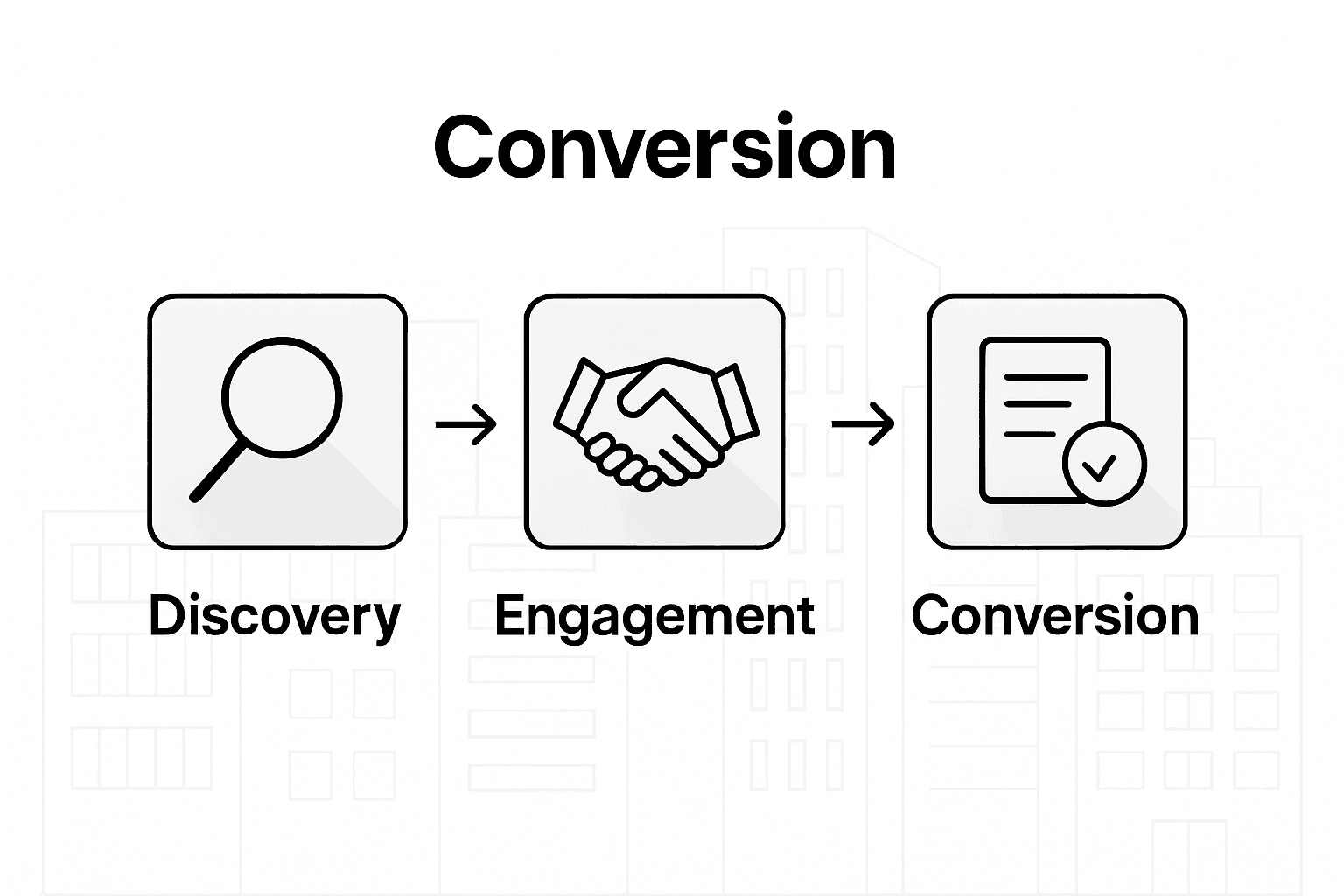
This summary shows how key B2B lead generation metrics align with business outcomes:
| Metric | What It Measures | Business Value |
|---|---|---|
| Conversion Rate | Portion of leads becoming customers | Indicates campaign effectiveness |
| Cost Per Lead | Spend per qualified lead | Highlights marketing cost efficiency |
| Lead Quality Score | Likelihood to purchase | Prioritises high-value opportunities |
| Sales Velocity | Speed of lead progression | Shortens time to revenue |
| Return on Marketing Investment | Profit from lead generation | Validates overall marketing impact |
Common Pitfalls and How to Avoid Them
B2B lead generation presents numerous challenges that can significantly derail marketing efforts if not carefully managed. Misalignment between marketing and sales teams remains a critical obstacle that prevents organisations from effectively converting potential leads into actual business opportunities.
Common pitfalls in B2B lead generation include:
- Inadequate Lead Qualification: Failing to properly assess lead potential
- Generic Marketing Approaches: Using non-personalised communication strategies
- Poor Data Management: Inconsistent or outdated contact information
- Lack of Strategic Targeting: Casting too wide a net without precision
- Insufficient Follow-up Mechanisms: Neglecting ongoing lead nurturing processes
Personalised communication strategies offer a robust solution to traditional outreach challenges by enabling more targeted and meaningful interactions with potential business clients. Modern organisations must embrace sophisticated approaches that combine technological insights with human-centric communication strategies, ensuring that each potential lead receives tailored, relevant engagement.
Pro Tip – Strategic Prevention: Develop a comprehensive lead generation framework that includes regular performance audits, continuous team training, and adaptive communication protocols to proactively identify and mitigate potential marketing obstacles.
Successful lead generation demands a proactive, strategic approach that anticipates and neutralises potential challenges before they can impact business growth.
Transform Your B2B Lead Generation with Proven Strategies
Struggling to convert your digital efforts into consistent, high-quality B2B leads that fuel real business growth Understand the challenges of precise targeting and personalised engagement discussed in the article and discover how Business Warriors can help you overcome these hurdles with the innovative marketing vortex Method Our holistic approach integrates SEO, paid advertising, email marketing and social media management to build a scalable lead generation system tailored to your service-based business needs

Ready to elevate your lead generation and secure predictable online client acquisition Start by exploring insights in the Uncategorized Archives – Jarrod Harman and then take the next step by connecting with Jarrod to access expert guidance and proven methods at https://jarrodharman.com Build the focused, actionable strategy your business deserves and turn potential leads into lasting clients today
Frequently Asked Questions
What is B2B lead generation?
B2B lead generation is the strategic process of identifying, attracting, and converting potential corporate clients into qualified prospects, focusing on building relationships with decision makers.
What are the key approaches to B2B lead generation?
The main approaches include content marketing, social media marketing, search engine optimisation, paid digital advertising, and email marketing, each designed to connect with potential business clients through various digital channels.
How can I measure the success of my B2B lead generation efforts?
Key metrics for evaluating success include conversion rate, cost per lead, lead quality score, sales velocity, and return on marketing investment, which collectively provide insights into campaign effectiveness.
What common pitfalls should I avoid in B2B lead generation?
Common pitfalls include inadequate lead qualification, generic marketing approaches, poor data management, lack of strategic targeting, and insufficient follow-up mechanisms, all of which can hinder effective lead conversion.