


Australian beauty and wellness businesses are seeing up to 85 percent higher engagement when they tap into targeted social media advertising. For female business owners, the shift from static posts to dynamic, data-driven campaigns means every dollar spent can be tracked and every audience segment can be reached. This guide reveals how smart advertising methods on Facebook, Instagram, LinkedIn, and TikTok are transforming lead generation and sales, helping you stay ahead in a competitive market.
Table of Contents
- Social Media Advertising Explained
- Major Social Platforms And Ad Formats
- Audience Targeting And Personalisation Benefits
- Engagement Strategies For Higher Brand Awareness
- Measuring Results And Maximising Roi
- Risks, Limitations And Best Practices
Key Takeaways
| Point | Details |
|---|---|
| Targeted Advertising | Leveraging social media’s demographic data enables businesses to create highly targeted advertising that resonates with specific audience segments. |
| Platform-Specific Strategies | Each social media platform requires unique content strategies tailored to its audience and engagement preferences for optimal results. |
| Analytics and Measurement | Continuous tracking of key performance indicators is essential to refine strategies and maximise return on investment across social media campaigns. |
| Ethical Considerations | Balancing innovative marketing with ethical data handling practices is crucial for maintaining consumer trust and ensuring compliance with regulations. |
Social media advertising explained
Social media advertising represents a sophisticated digital marketing approach that leverages platforms like Facebook, Instagram, LinkedIn, and TikTok to deliver targeted promotional content to specific audience segments. The core strategy involves using platform-specific algorithms and rich demographic data to precisely target consumer behaviours.
These advertising methods have dramatically evolved from simple banner ads to complex, interactive experiences that integrate artificial intelligence, machine learning, and dynamic content personalisation. Modern social media advertising uses advanced tracking technologies to understand user preferences, enabling businesses to craft hyper-targeted messages that resonate with specific consumer groups. The strategic objective is not just visibility, but meaningful engagement that drives conversions and builds brand loyalty.
The effectiveness of social media advertising stems from its ability to transform traditional marketing paradigms. Unlike traditional media, these platforms offer real-time analytics, allowing businesses to measure campaign performance instantly, adjust strategies dynamically, and understand consumer trust mechanisms. Businesses can now track metrics like click-through rates, engagement levels, conversion rates, and return on advertising spend with unprecedented precision.
Pro tip: Invest time in understanding each social media platform’s unique audience demographics and advertising tools to maximise your marketing effectiveness.
Major social platforms and ad formats
Businesses today have access to a diverse array of social media platforms, each offering unique advertising opportunities and audience targeting capabilities. Advertising strategies vary significantly across different social networks, requiring marketers to develop nuanced approaches tailored to each platform’s specific user demographics and engagement patterns.
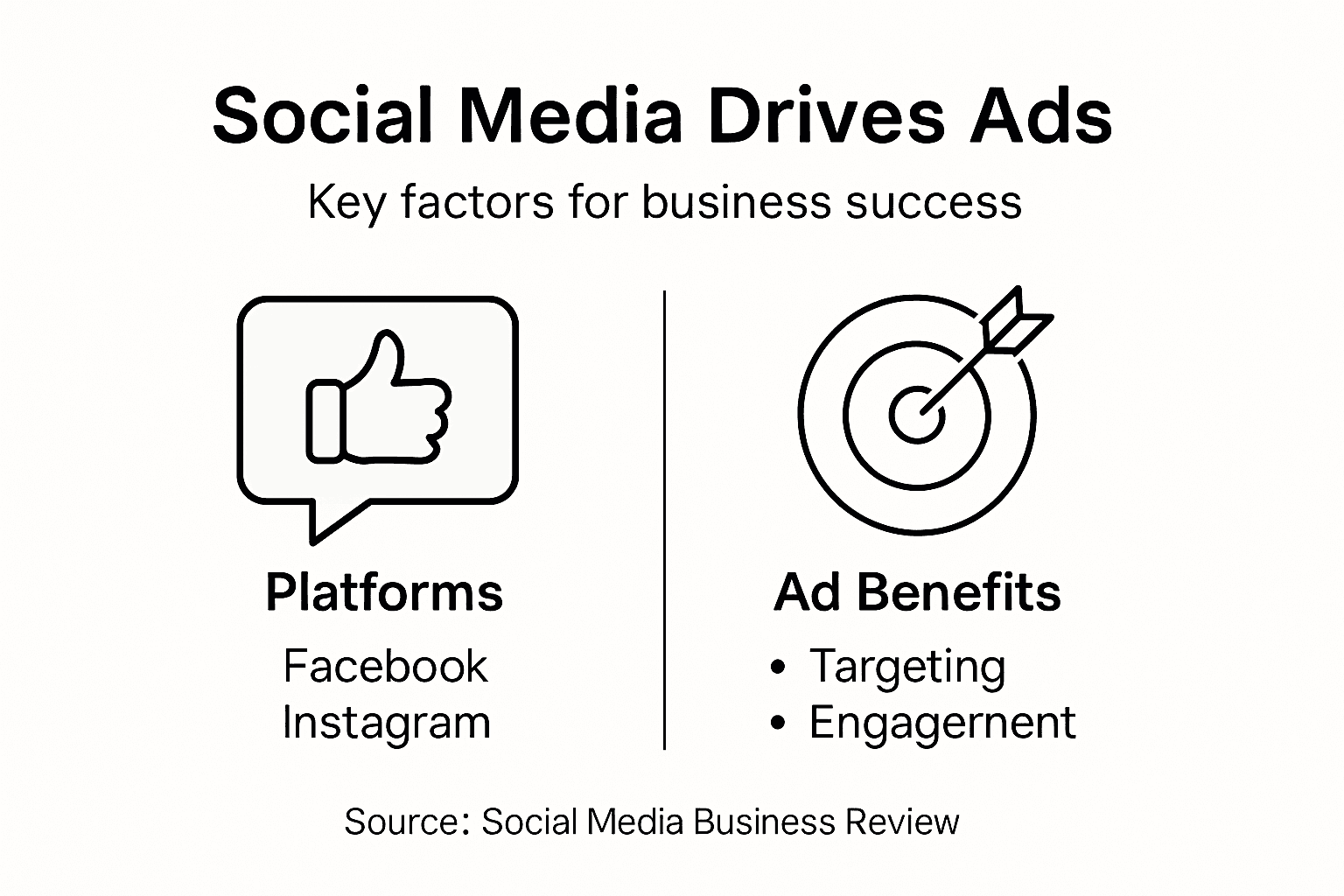
Facebook remains a powerhouse for targeted advertising, offering sophisticated demographic targeting through detailed user profile data. Instagram focuses on visually compelling image and video ads, perfect for brands with strong visual identities. LinkedIn provides professional targeting, ideal for B2B marketing, while TikTok has emerged as a critical platform for reaching younger audiences through short-form video content. These platforms enable businesses to create highly specific ad formats including carousel ads, story ads, sponsored posts, and interactive video content.
The effectiveness of social media advertising hinges on understanding unique user engagement mechanisms across platforms. Different networks demand different creative strategies – what works on Instagram might fail on LinkedIn, and vice versa. Successful marketers develop platform-specific content that respects each network’s unique communication style, user expectations, and algorithmic preferences. This requires ongoing analysis, testing, and refinement of advertising approaches to maintain relevance and engagement.
Pro tip: Create separate content strategies for each social media platform, recognising that one-size-fits-all approaches rarely generate meaningful results.
Here’s a comparison of major social media platforms and their advertising focus:
| Platform | Primary Audience | Key Ad Formats | Unique Strength |
|---|---|---|---|
| Diverse, all ages | Display, carousel ads | Detailed demographic targeting | |
| Millennials, Gen Z | Image, video, stories | Strong visual appeal | |
| Professionals, B2B | Sponsored posts, InMail | Career and industry targeting | |
| TikTok | Gen Z, young adults | Short-form video, branded effects | Viral trend-based engagement |
Audience targeting and personalisation benefits
Audience targeting represents a transformative approach in digital marketing, enabling businesses to deliver highly precise and relevant advertising experiences. Defining sophisticated buyer personas allows companies to craft messages that resonate deeply with specific demographic segments, significantly improving engagement and conversion potential.

Modern social media platforms provide unprecedented granularity in audience segmentation, allowing marketers to target users based on intricate combinations of demographics, interests, behaviours, and even predictive algorithms. Businesses can now micro-target audiences by age, location, professional status, purchasing history, online interactions, and detailed psychographic profiles. This level of precision means advertisements can be tailored to extremely specific consumer groups, dramatically increasing the likelihood of meaningful engagement and successful conversion.
Consumer motivations for engaging with personalised advertising reveal that personalisation goes beyond mere targeting – it creates meaningful connections by addressing individual cognitive and emotional needs. Effective personalised advertising transforms generic marketing messages into tailored experiences that feel relevant, timely, and valuable to each unique recipient. This approach not only increases immediate engagement but also builds long-term brand loyalty by demonstrating a nuanced understanding of individual consumer preferences.
Pro tip: Regularly update your buyer personas and leverage advanced analytics to continually refine your audience targeting strategies.
Engagement strategies for higher brand awareness
Successful brand awareness on social media requires a sophisticated approach that goes beyond simple content posting. Platform-specific engagement strategies are critical for creating meaningful interactions that transform passive viewers into active brand advocates. This means understanding the unique communication dynamics of each social media platform and tailoring content to match user expectations and interaction preferences.
Brands can enhance engagement through multiple strategic approaches. Interactive content like polls, quizzes, and live videos encourages direct audience participation. User-generated content campaigns invite followers to share their experiences, creating authentic connections. Behind-the-scenes glimpses, storytelling techniques, and responsive customer communication help humanise brands and build genuine relationships. Consistent, high-quality content that provides real value – whether through entertainment, education, or solving specific problems – becomes the foundation of sustainable audience engagement.
Building participatory brand communities requires a nuanced understanding of audience motivations. Successful brands create spaces where consumers feel heard, appreciated, and connected. This means actively soliciting and responding to feedback, celebrating customer stories, and demonstrating a commitment to continuous improvement. By positioning themselves as collaborative partners rather than distant corporations, businesses can transform traditional advertising models into dynamic, two-way conversations that naturally boost brand awareness and loyalty.
Pro tip: Develop a content calendar that balances informative, entertaining, and interactive posts to maintain consistent audience engagement.
The following table summarises powerful engagement strategies for increasing brand awareness:
| Engagement Strategy | Business Benefit | Example Content Type |
|---|---|---|
| Interactive content | Boosts participation and shareability | Polls, live streams |
| User-generated campaigns | Builds community trust and authenticity | Brand hashtag challenges |
| Storytelling and transparency | Humanises brand and fosters loyalty | Behind-the-scenes videos |
| Responsive communication | Enhances customer relationships | Timely comment replies |
Measuring results and maximising ROI
Measuring the performance of social media advertising requires a comprehensive approach that goes beyond superficial metrics. Continuous performance measurement strategies are crucial for understanding the true impact of digital marketing efforts. Businesses must track key performance indicators (KPIs) such as reach, engagement rates, conversion rates, and overall return on investment to gain meaningful insights into their advertising effectiveness.
Modern social media platforms provide sophisticated analytics tools that enable detailed tracking of campaign performance. Marketers can now analyse granular data points including audience demographics, interaction patterns, click-through rates, and cost per acquisition. These insights allow for real-time strategy adjustments, ensuring that advertising budgets are allocated to the most effective channels and content types. Advanced tracking technologies enable businesses to understand precisely how each advertising dollar contributes to overall marketing objectives.
Cost-effectiveness of social media advertising represents a significant advantage over traditional marketing approaches. By leveraging detailed analytics and precise targeting capabilities, businesses can achieve more efficient recruitment and engagement at a fraction of the cost of conventional advertising methods. This approach allows for continuous optimization, ensuring that marketing strategies remain agile and responsive to changing market conditions and audience preferences.
Pro tip: Implement a monthly ROI review process that compares advertising spend against key performance metrics to continuously refine your social media marketing strategy.
Risks, limitations and best practices
Social media advertising presents complex challenges that require strategic navigation and ethical consideration. Addressing privacy and data protection concerns becomes paramount in developing responsible marketing strategies. Businesses must balance innovative advertising techniques with rigorous ethical standards, ensuring transparency and maintaining consumer trust throughout their digital marketing efforts.
The primary risks in social media advertising include potential data misuse, invasive targeting practices, and the erosion of consumer privacy. Advanced tracking technologies, while powerful, can create significant consumer skepticism if not implemented thoughtfully. Marketers must develop sophisticated approaches that respect user boundaries, provide clear opt-out mechanisms, and demonstrate genuine commitment to ethical data handling. This involves implementing robust consent mechanisms, being transparent about data collection practices, and giving users meaningful control over their personal information.
Consumer trust in advertising authenticity remains a critical challenge in social media marketing. Successful brands must go beyond traditional advertising models by creating genuine, sustainable communication strategies that prioritise meaningful engagement over manipulative tactics. This means developing content that provides real value, tells authentic stories, and demonstrates a commitment to addressing consumer needs and concerns. By focusing on building long-term relationships rather than short-term conversions, businesses can mitigate the inherent risks associated with digital advertising.
Pro tip: Regularly audit your social media advertising practices to ensure alignment with current data protection regulations and ethical marketing standards.
Unlock Your Business Growth with Proven Social Media Advertising Strategies
Struggling to turn social media engagement into consistent client leads and sales Many businesses face challenges like unclear audience targeting or ineffective personalised messaging as highlighted in this article on why social media drives business advertising success. The key pain points include mastering platform-specific strategies and creating meaningful, authentic connections that boost brand awareness and ROI.
At Business Warriors, we understand the power of the Marketing Vortex Method — an integrated, omnichannel approach combining social media advertising with SEO, Google Ads, email marketing, and custom website funnels. This method strategically overcomes the common hurdles of social media marketing by providing precise audience targeting, performance tracking, and engaging content tailored to your industry and business goals.
If you want to convert your social media presence into a reliable client acquisition engine, learn how a results-driven, transparent marketing ally can help you scale confidently.
Elevate your digital marketing by visiting Uncategorized Archives – Jarrod Harman to discover expert insights and proven tactics. Ready to partner with a team dedicated to your success Explore our full service solutions at https://jarrodharman.com and take the next step toward transforming your social media marketing into measurable business growth today.
Frequently Asked Questions
What are the primary benefits of social media advertising for businesses?
Social media advertising offers targeted reach, real-time analytics, cost-effectiveness, and the ability to create engaging content that resonates with specific audience segments, leading to higher conversions and brand loyalty.
How does audience targeting improve the effectiveness of social media advertising?
Audience targeting allows businesses to craft tailored messages that resonate with specific demographics, interests, and behaviours, significantly enhancing engagement and conversion rates compared to generic advertising.
What types of ad formats are available on major social media platforms?
Major platforms offer varied ad formats such as display ads, carousel ads, sponsored posts, short-form videos, and interactive content, each tailored to different audience engagement styles and preferences.
How can brands measure the success of their social media advertising campaigns?
Brands can measure success by tracking key performance indicators (KPIs) such as reach, engagement rates, conversion rates, and return on investment (ROI) using sophisticated analytics tools provided by social media platforms.
Recommended
- Advantages of Social Media in Business Growth – Jarrod Harman
- Understanding the Role of Social Media in Modern Business – Jarrod Harman
- Understanding the Advantage of Social Media for Businesses – Jarrod Harman
- Understanding the Role of Social Media in Business Communication – Jarrod Harman
- 7 Steps to Achieve Smart Business Goals for Leaders – Tariq Juneja