


Juggling bookings, staff, and customer expectations, many Australian salon and med spa owners find that social media quickly becomes another demanding task. Yet, the right approach does far more than keep your accounts active; it builds real connections, shapes your reputation, and keeps leads flowing. Understanding what social media management truly involves helps set the stage for attracting your ideal clients, nurturing loyalty, and seeing real results from every post and interaction.
Table of Contents
- What Social Media Management Involves
- Key Benefits For Service-Based Businesses
- Automation, Analytics, And Roi Measurement
- Building Brand Trust And Social Proof
- Common Mistakes And How To Avoid Them
Key Takeaways
| Point | Details |
|---|---|
| Importance of Strategy | Effective social media management requires a well-defined content strategy to ensure brand consistency and audience engagement. |
| Automation and Analytics | Utilising automation tools and analytics is essential for streamlining processes and measuring performance effectively. |
| Building Trust through Engagement | Authentic interactions and social proof, such as testimonials, help establish brand trust and foster customer loyalty. |
| Avoiding Common Pitfalls | Focus efforts on key platforms and leverage data-driven insights to avoid spreading resources too thin and to enhance marketing effectiveness. |
What Social Media Management Involves
Social media management is a comprehensive strategic process that involves actively planning, creating, publishing, and analysing content across multiple digital platforms. Strategic social media engagement requires businesses to understand their target audience, develop tailored content, and consistently interact with followers to build meaningful connections.
The core responsibilities of social media management encompass several critical elements. These include developing a cohesive content strategy, creating engaging visual and written materials, scheduling posts at optimal times, monitoring platform analytics, responding to audience interactions, and adapting tactics based on performance data. Professional social media managers must blend creative storytelling skills with analytical capabilities to drive meaningful business outcomes.
Specific tasks involved in social media management range from content creation and graphic design to community engagement and performance tracking. Managers typically utilise sophisticated tools to schedule posts, track engagement metrics, analyse audience demographics, and measure the return on investment of social media campaigns. This requires a multidisciplinary skill set including digital marketing knowledge, data interpretation, copywriting, and basic design capabilities.
Pro tip: Invest in social media management tools that provide comprehensive analytics and scheduling features to streamline your digital marketing workflow and save significant time managing multiple platform accounts.
Here is a summary comparing top social media management tasks and their business value:
| Task | Description | Business Impact |
|---|---|---|
| Content Strategy | Planning and aligning content themes | Ensures brand consistency and relevance |
| Post Scheduling | Automating posts at optimal times | Maximises audience reach and engagement |
| Analytics Monitoring | Tracking and interpreting platform data | Informs future tactics and content choices |
| Audience Interaction | Responding to comments and messages | Builds trust and encourages loyalty |
| Creative Asset Creation | Designing visuals/writing copy | Strengthens brand image and boosts engagement |
Key Benefits for Service-Based Businesses
Service-based businesses can leverage social media management to transform their digital marketing strategy and drive significant growth. Two-way communication platforms enable these businesses to establish direct connections with potential clients, creating opportunities for personalised engagement and brand building that traditional marketing channels cannot match.
The primary advantages of social media management for service businesses include enhanced brand visibility, targeted audience reach, and cost-effective marketing. By showcasing authentic client stories, service providers can humanise their brand and build trust. These platforms allow businesses to demonstrate expertise, share valuable insights, and position themselves as industry thought leaders. With over 4.2 billion active social media users worldwide, service businesses can access an unprecedented global marketplace without substantial advertising expenditure.

Moreover, social media management provides powerful tools for customer relationship management. Service providers can use these platforms to gather real-time feedback, respond quickly to client inquiries, and create interactive experiences that foster customer loyalty. Analytics tools embedded in social media platforms enable businesses to track engagement metrics, understand audience preferences, and continuously refine their marketing approach to improve customer acquisition and retention rates.
Pro tip: Create a consistent content calendar that balances professional service insights with authentic, personal storytelling to maintain audience engagement and showcase your brand’s unique personality.
Automation, Analytics, and ROI Measurement
Social media management has evolved beyond manual posting, with sophisticated social media analytics tools transforming how businesses track and measure digital marketing performance. These advanced platforms enable organisations to collect comprehensive data on audience engagement, content performance, and campaign effectiveness, providing actionable insights that drive strategic decision-making.
Automation technologies play a crucial role in streamlining social media management processes. Businesses can now schedule posts across multiple platforms, set up automated responses, and create targeted content workflows that reduce manual intervention. These tools allow marketing teams to maintain consistent online presence while freeing up valuable time for strategic planning and creative content development. Advanced algorithms can identify optimal posting times, track audience interactions, and even suggest content improvements based on real-time performance metrics.
Measuring return on investment (ROI) in social media marketing requires a nuanced approach that goes beyond simple engagement numbers. Sophisticated analytics platforms help businesses track secondary revenue data, conversion rates, and customer acquisition costs. By integrating these insights, companies can precisely evaluate the financial impact of their social media strategies, identifying which content types, posting schedules, and audience segments deliver the most significant business value.
Pro tip: Implement a comprehensive tracking system that connects social media metrics directly to your sales funnel to gain a true understanding of how digital engagement translates into tangible business revenue.
Building Brand Trust and Social Proof
Building brand trust in the digital age requires strategic personal branding approaches that create authentic and consistent connections with audiences. Social media platforms provide unprecedented opportunities for businesses to humanise their brand, share genuine stories, and establish emotional resonance with potential customers through transparent and meaningful content.
Social proof serves as a powerful psychological mechanism that influences consumer decision-making. By strategically showcasing customer testimonials, user-generated content, and third-party endorsements, businesses can leverage the natural human tendency to seek validation from others. This approach transforms abstract marketing messages into credible, relatable narratives that potential clients can trust. Potential customers are more likely to engage with a brand when they see real people experiencing positive outcomes and sharing genuine experiences.
Effective social media management goes beyond simply displaying positive reviews. It involves creating a comprehensive narrative that demonstrates consistent value, expertise, and reliability. Businesses can achieve this by sharing behind-the-scenes content, highlighting team expertise, responding transparently to customer feedback, and creating interactive experiences that invite audience participation. The goal is to build a digital ecosystem where trust is not just claimed, but actively demonstrated through ongoing engagement and authentic communication.
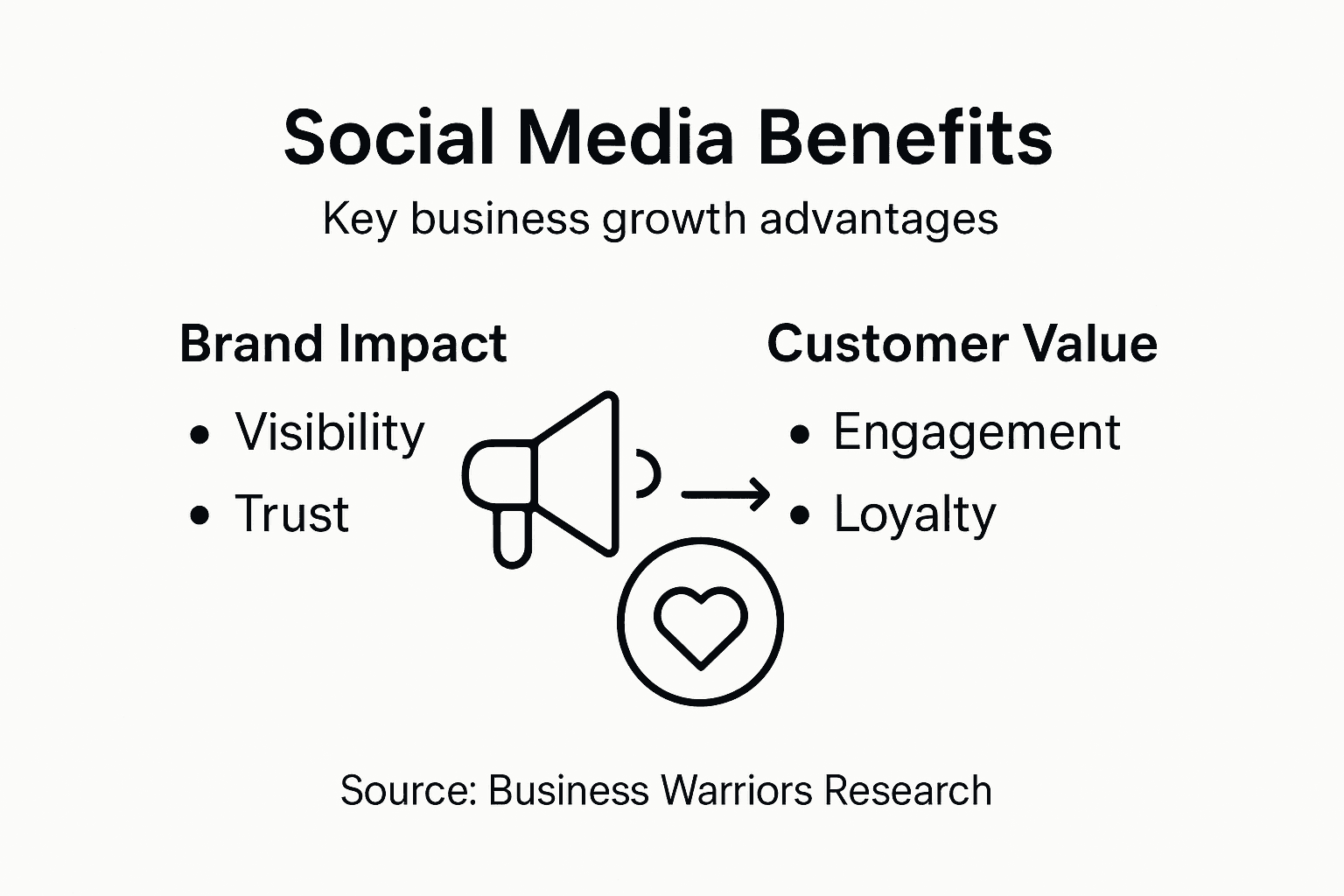
Pro tip: Develop a consistent content strategy that balances professional insights with personal storytelling, ensuring each post reinforces your brand’s unique value proposition and builds genuine audience trust.
Common Mistakes and How to Avoid Them
Businesses frequently make critical errors in social media management by spreading efforts across platforms. The most common mistake is attempting to maintain an active presence on every social media channel without considering the specific audience and platform dynamics. This scattered approach dilutes marketing resources and reduces the effectiveness of digital communication strategies.
Another significant pitfall is neglecting data-driven insights and performance analytics. Many organisations fail to establish clear, measurable objectives that align with their broader business goals. Without systematic tracking and analysis of engagement metrics, social media activities become reactive rather than strategic. This lack of purposeful planning makes it challenging to demonstrate return on investment and understand which content truly resonates with target audiences.
Successful social media management requires a focused, intentional approach. Businesses should concentrate on platforms most relevant to their target demographic, develop a consistent content strategy, and invest in high-quality, engaging video content. Regularly reviewing performance metrics, understanding audience preferences, and maintaining a cohesive brand narrative are crucial for transforming social media from a random communication channel into a powerful marketing tool that drives genuine business growth.
Below is a table outlining common social media management mistakes and strategies to avoid them:
| Common Mistake | Why It Occurs | How to Avoid |
|---|---|---|
| Overextending on platforms | Attempting to be everywhere | Focus on channels preferred by your audience |
| Ignoring analytics | Lack of data-driven objectives | Set KPIs and review analytics regularly |
| Inconsistent content | No content plan or schedule | Develop and follow a structured content calendar |
| Neglecting audience engagement | Reactive or one-sided approaches | Prioritise timely, meaningful interactions |
Pro tip: Create a quarterly social media audit process that critically evaluates platform performance, audience engagement, and content effectiveness to continuously refine your digital marketing strategy.
Unlock Your Business Growth with Expert Social Media Management
Struggling to transform social media efforts into tangible business growth is a common challenge for service-based business owners. The article highlights key pain points such as inconsistent content, neglecting data-driven insights, and spreading marketing resources too thin across multiple platforms. These issues can leave your marketing strategy unfocused and your investment without clear returns. Concepts like building a cohesive content strategy, leveraging analytics for targeted audience engagement, and automating posts to maximise reach are essential to overcome these obstacles.
At Business Warriors, we understand the critical need to integrate creative storytelling with measurable results. Our proven Marketing Vortex Method blends SEO, Google Ads, social media management, email marketing, and web development into one powerful strategy designed specifically for service-based businesses ready to scale. We focus on creating authentic brand trust and social proof while ensuring every marketing dollar drives new leads and sales. Our deep niche expertise and client-centred approach mean you get transparent, results-driven guidance that empowers your business to stand out.
Ready to stop guessing and start growing? Discover more actionable insights and proven strategies by exploring the Uncategorized Archives – Jarrod Harman or visit our main site at https://jarrodharman.com to learn how we can support your digital marketing journey.

Take the next step now to harness social media management for real business growth. Connect with us at https://jarrodharman.com and turn your marketing challenges into a scalable sales system today.
Frequently Asked Questions
What are the benefits of social media management for businesses?
Social media management enhances brand visibility, enables targeted audience reach, and provides cost-effective marketing strategies. It allows businesses to connect authentically with clients and build brand trust through engagement.
How can social media management improve customer relationships?
By facilitating two-way communication, social media management enables businesses to respond quickly to client inquiries, gather real-time feedback, and create interactive experiences that foster customer loyalty and retention.
What role does analytics play in social media management?
Analytics tools in social media management provide businesses with insights into audience engagement, content performance, and ROI measurement. These insights inform future strategies and content choices, ensuring marketing efforts are effective and aligned with business goals.
How can businesses avoid common mistakes in social media management?
To avoid pitfalls, businesses should focus their efforts on platforms most relevant to their audience, establish clear objectives aligned with their goals, develop a consistent content strategy, and engage proactively with their audience.