


Most australian businesses now face a digital environment where success hinges on smart, adaptable strategies. With over 85 percent of consumers starting their search for products online, understanding how to reach audiences effectively has never been more important. This article breaks down modern digital marketing approaches and explores the frameworks and tactics that help australian companies grow in a rapidly shifting online world.
Table of Contents
- Defining Digital Marketing Strategies Today
- Core Components of Effective Campaigns
- Omnichannel Approaches and Their Benefits
- Common Mistakes and How to Avoid Them
- Implementing a Scalable Strategy for Growth
Key Takeaways
| Point | Details |
|---|---|
| Digital Marketing Frameworks | The SOSTAC model offers a structured approach, breaking down strategy into Situation Analysis, Objectives, Strategy, Tactics, Action, and Control for effective campaign development. |
| Omnichannel Integration | An omnichannel marketing strategy creates cohesive customer experiences across platforms, fostering deeper connections and improving engagement. |
| Common Pitfalls | Avoid critical mistakes such as inconsistent messaging and neglecting data-driven strategies to enhance campaign effectiveness and customer experiences. |
| Scalable Strategies | Implementing scalable strategies requires advanced technology and continuous optimisation to adapt quickly to market changes and consumer preferences. |
Defining Digital Marketing Strategies Today
Digital marketing strategies represent a systematic approach for businesses to connect with their target audience through online channels. Understanding these strategies requires recognising the complex digital ecosystem where consumer behaviour, technology, and marketing converge. Modern digital marketing goes beyond traditional advertising, demanding sophisticated, data-driven approaches that adapt rapidly to changing technological landscapes.
The SOSTAC model provides a robust framework for developing comprehensive digital marketing strategies. This systematic planning approach breaks down strategy creation into six critical stages: Situation Analysis, Objectives, Strategy, Tactics, Action, and Control. By systematically working through these stages, businesses can create targeted, measurable marketing initiatives that align with their broader organisational goals.
Effective digital marketing strategies today must integrate multiple channels and touchpoints. This means crafting sophisticated multichannel marketing approaches that leverage search engine optimisation, social media marketing, content marketing, email campaigns, and paid advertising. Successful strategies require continuous measurement, analysis, and optimization, ensuring marketing efforts remain agile and responsive to emerging digital trends and consumer preferences.
Key components of modern digital marketing strategies include:
- Comprehensive audience research and persona development
- Data-driven targeting and segmentation
- Integrated marketing technology ecosystems
- Continuous performance tracking and analytics
- Personalisation and customer journey mapping
- Adaptive content and engagement strategies
The digital marketing landscape demands a proactive, strategic approach that combines technical expertise, creative thinking, and data-informed decision-making. Businesses that master these elements can develop marketing strategies that not only reach their target audience but also create meaningful, lasting connections in an increasingly complex digital world.
Core Components of Effective Campaigns
Successful digital marketing campaigns require a strategic blend of sophisticated techniques and targeted approaches. Comprehensive campaign planning involves establishing clear objectives, understanding audience dynamics, and developing a multifaceted execution strategy that adapts to evolving digital landscapes.
Digital marketing strategies must incorporate several critical components to drive meaningful engagement and measurable results. Key elements include robust SEO practices, targeted content marketing, strategic paid advertising, social media engagement, email marketing, and comprehensive data analytics. Each component plays a crucial role in creating a cohesive, high-performance marketing ecosystem that connects businesses with their ideal audience across multiple digital touchpoints.

Effective campaigns demand precise targeting and sophisticated audience segmentation. This requires developing detailed customer personas, understanding behavioural patterns, and creating personalised messaging that resonates with specific audience segments. Marketers must leverage advanced analytics to continuously refine their approach, ensuring campaigns remain agile and responsive to changing consumer preferences and emerging digital trends.
Key strategic components for successful digital marketing campaigns include:
- Comprehensive audience research and persona development
- Data-driven targeting and segmentation strategies
- Multi-channel content distribution
- Performance tracking and real-time analytics
- Continuous optimization and adaptation
- Integration of emerging technologies and platforms
Ultimately, successful digital marketing campaigns are not about implementing isolated tactics, but creating an integrated, dynamic approach that combines creativity, technical expertise, and strategic thinking. By understanding and masterfully executing these core components, businesses can develop marketing strategies that not only reach but deeply engage their target audience in an increasingly complex digital environment.
Omnichannel Approaches and Their Benefits
Omnichannel marketing represents a sophisticated approach to creating seamless, integrated customer experiences across multiple digital and physical touchpoints. Mobile marketing techniques have revolutionised how businesses engage with customers, enabling personalised communication through websites, email, SMS, social media, and mobile applications that deliver time and location-sensitive information.
The strategic implementation of omnichannel approaches allows businesses to create a cohesive brand experience that transcends individual platforms. Account-based marketing strategies demonstrate how targeted, resource-focused approaches can align sales and marketing efforts, generating higher returns compared to traditional marketing methods. This approach enables organisations to develop more nuanced, data-driven engagement strategies that adapt to individual customer preferences and behaviours.
Successful omnichannel marketing requires sophisticated integration of technology, data analytics, and customer insights. Businesses must develop robust systems that enable real-time tracking, personalisation, and seamless transitions between different marketing channels. This involves creating comprehensive customer profiles, implementing advanced tracking mechanisms, and developing flexible content strategies that can be dynamically adjusted based on customer interactions and preferences.
Key benefits of omnichannel marketing include:
- Enhanced customer experience and engagement
- Improved data collection and customer insights
- More precise targeting and personalisation
- Increased brand consistency across platforms
- Higher conversion rates and customer retention
- Greater marketing efficiency and resource allocation
Ultimately, omnichannel approaches represent a transformative strategy for modern businesses. By breaking down traditional marketing silos and creating integrated, customer-centric experiences, organisations can develop more meaningful connections with their audience, driving sustainable growth and competitive advantage in an increasingly complex digital marketplace.
Common Mistakes and How to Avoid Them
Digital marketing success hinges on avoiding critical strategic missteps that can undermine campaign effectiveness. Neglecting comprehensive content marketing strategies represents a fundamental error that many businesses consistently make, limiting their ability to engage and convert potential customers effectively.
One of the most significant challenges in digital marketing involves managing complex, heterogeneous data and navigating multi-channel customer journeys. Businesses frequently struggle with signal dilution, delayed feedback mechanisms, and ineffective targeting approaches that prevent them from developing truly adaptive marketing systems. This requires implementing sophisticated data integration techniques, advanced tracking mechanisms, and intelligent optimization frameworks that can dynamically adjust marketing strategies in real-time.
Successful digital marketers must cultivate a proactive approach to identifying and mitigating potential strategic errors. This involves developing robust marketing automation tools, creating comprehensive customer data platforms, and implementing continuous learning and optimization processes that allow for rapid adaptation to changing market conditions and consumer behaviours.
Common digital marketing mistakes to avoid include:
- Inconsistent brand messaging across channels
- Neglecting data-driven decision making
- Failing to personalise customer experiences
- Overlooking mobile optimization
- Ignoring customer feedback and engagement metrics
- Underutilising marketing automation technologies
- Lack of clear, measurable campaign objectives
Ultimately, avoiding digital marketing pitfalls requires a holistic, strategic approach that combines technical expertise, data analytics, and a deep understanding of customer psychology. By developing agile, adaptive marketing systems that prioritise continuous learning and optimization, businesses can transform potential mistakes into opportunities for growth and innovation.
Implementing a Scalable Strategy for Growth
Scalable digital marketing strategies demand a sophisticated approach that integrates advanced technologies and adaptive methodologies. Artificial intelligence techniques are revolutionising consumer interaction and decision-making processes, enabling businesses to create more personalised, dynamic marketing experiences that can efficiently expand across multiple channels and audience segments.
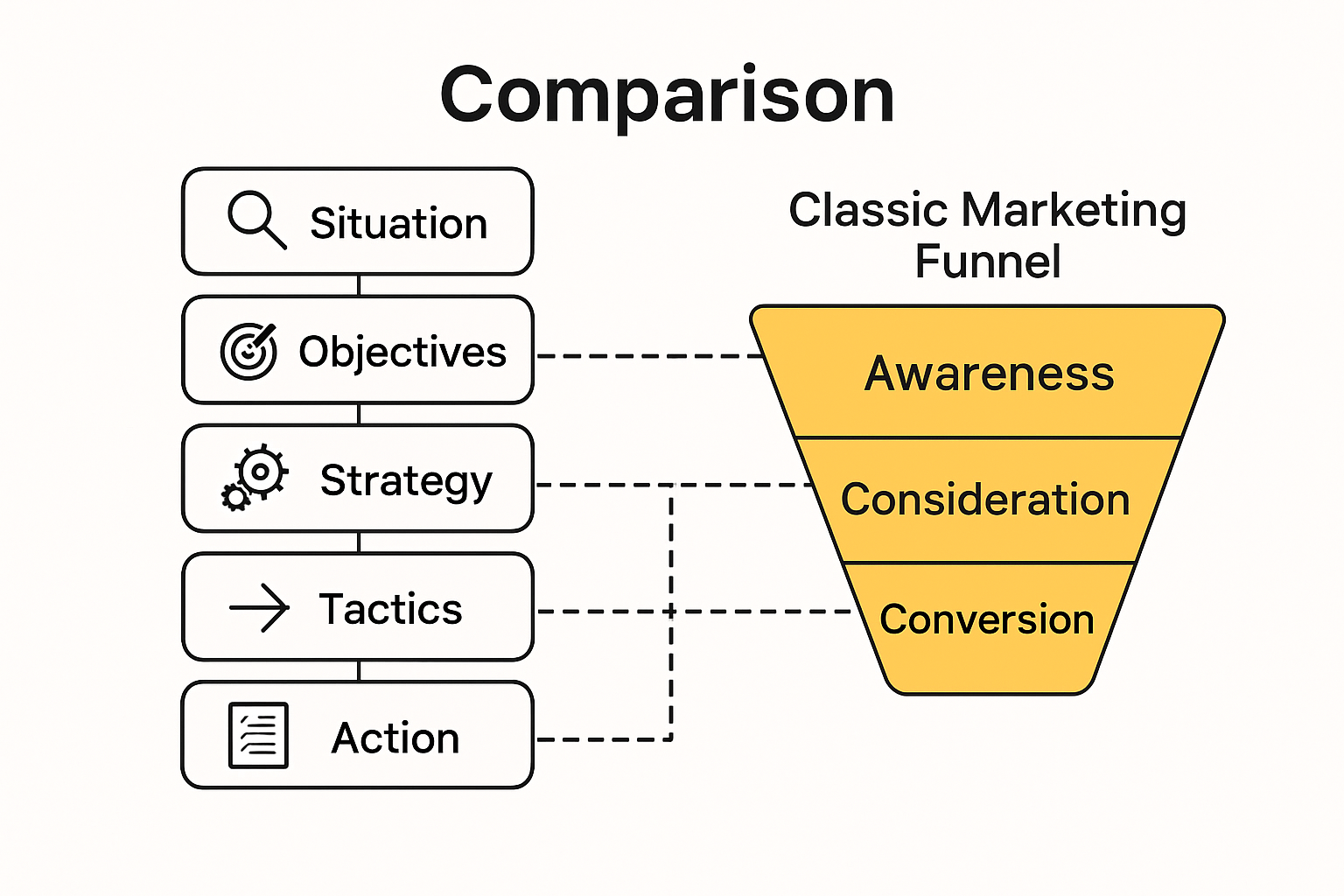
The transformation from traditional marketing approaches to AI-driven strategies represents a fundamental shift in how businesses approach growth and customer engagement. Predictive analytics and personalised recommendations now provide unprecedented opportunities for businesses to develop targeted, responsive marketing systems that can rapidly adapt to changing consumer behaviours and market dynamics.
Successful scalable strategies require a holistic approach that combines technological innovation, data-driven insights, and flexible execution frameworks. This involves developing robust infrastructure that can support rapid iteration, comprehensive performance tracking, and seamless integration of emerging marketing technologies. Businesses must cultivate adaptive systems that can dynamically adjust targeting, messaging, and channel allocation based on real-time performance metrics and evolving customer insights.
Key components of a scalable digital marketing growth strategy include:
- Advanced data integration and analytics capabilities
- AI-powered personalisation and targeting technologies
- Flexible, modular marketing technology ecosystems
- Continuous performance optimization mechanisms
- Cross-channel engagement and attribution tracking
- Adaptive content and messaging strategies
- Automated marketing workflow and campaign management
Ultimately, implementing a scalable digital marketing strategy requires a commitment to continuous learning, technological innovation, and customer-centric approaches. By embracing adaptive technologies, developing sophisticated data analytics capabilities, and maintaining a flexible, iterative approach to marketing, businesses can create powerful growth engines that can expand and evolve in increasingly complex digital landscapes.
Elevate Your Digital Marketing Strategy with Proven Expertise
Navigating the complexities of digital marketing strategies, such as creating multichannel campaigns and implementing omnichannel approaches, can feel overwhelming. This article highlights critical challenges like data-driven targeting, seamless integration, and continuous optimisation to avoid common pitfalls. If your goal is to connect deeply with your audience and scale your business growth, understanding these elements is just the beginning.
At Business Warriors, we specialise in transforming these insights into tailored marketing solutions powered by Jarrod Harman’s unique Marketing Vortex Method. Our approach integrates SEO, Google Ads, social media, and email marketing into one efficient, measurable system. You can explore real client success stories and in-depth strategies within the Uncategorized Archives – Jarrod Harman that reflect precisely how these principles come to life.
Ready to move beyond theory and implement a scalable, results-driven digital marketing strategy today Visit https://jarrodharman.com and connect with a trusted ally who understands your unique challenges. Take the first step towards consistent leads and elevated sales by joining our vibrant community and accessing expert guidance designed specifically for service-based businesses aiming for real growth.
Frequently Asked Questions
What is digital marketing strategy?
Digital marketing strategy refers to a systematic plan that businesses use to connect with their target audience through various online channels, leveraging data-driven approaches to adapt to the digital landscape.
How can I develop a successful digital marketing strategy?
To develop an effective digital marketing strategy, utilise the SOSTAC model, which includes Situation Analysis, Objectives, Strategy, Tactics, Action, and Control, while integrating multiple channels to engage your audience effectively.
What are the key components of modern digital marketing campaigns?
Key components include robust SEO practices, targeted content marketing, strategic paid advertising, social media engagement, email marketing, and comprehensive data analytics, all aimed at creating a cohesive marketing ecosystem.
Why is omnichannel marketing important for my business?
Omnichannel marketing is crucial as it creates a seamless, integrated customer experience across various digital and physical touchpoints, enhancing engagement, consistency, and ultimately leading to higher conversion rates.
Recommended
- What Is Digital Marketing? Complete Expert Overview – Jarrod Harman
- Why Use Digital Marketing: Complete Expert Guide – Jarrod Harman
- 7 Essential Types of Marketing Strategies for Business Growth – Jarrod Harman
- Blog – Jarrod Harman
- Brand Strategy Explained: Key Elements and Impact – Lind Creative
- Complete Guide to Digital Marketing for Legal Firms: Strategies That Drive Results – Case Quota