


Growing a beauty or wellness brand in Australia often means balancing the need for genuine connections with the challenge of reaching the right audience. As social influencer marketing keeps evolving, more Australian women are turning to everyday digital creators for authentic engagement and steady sales. This article gives you clear steps for leveraging influencer partnerships in beauty and wellness, helping you align strategy with your market and make smarter choices for long-term growth.
Table of Contents
- Social Influencer Marketing Defined Clearly
- Types of Influencers and Their Impact
- How Influencer Campaigns Deliver Results
- Legal Compliance and Partnership Best Practice
- Common Pitfalls and Maximising ROI
Key Takeaways
| Point | Details |
|---|---|
| Influencer Marketing Strategy | Businesses should partner with influencers to leverage their authenticity and trustworthiness, fostering relatable content that resonates with audiences. |
| Target Audience Fit | Selecting the right influencers with aligned demographics and interests is crucial to achieve effective engagement and conversions. |
| Legal Compliance | Adhering to Australian regulations on transparency and disclosure is essential to maintain brand integrity and avoid penalties. |
| Maximising ROI | Focus on engagement and audience interaction over follower count to enhance the effectiveness of influencer partnerships. |
Social Influencer Marketing Defined Clearly
Social influencer marketing represents a strategic digital communication approach where businesses partner with online personalities who possess substantial follower networks to promote products, services, or brand messages. Contemporary influencer dynamics demonstrate that these digital creators are not merely traditional celebrities, but everyday individuals with significant online credibility and audience engagement.
At its core, influencer marketing leverages the authenticity and personal connection influencers maintain with their audiences. Unlike traditional advertising, these digital ambassadors create content that feels genuine and relatable, allowing brands to communicate through trusted voices. The effectiveness stems from parasocial interactions – where followers develop perceived intimate relationships with influencers, making product recommendations feel like advice from a friend rather than a corporate advertisement.
For Australian beauty businesses specifically, influencer marketing offers a targeted approach to reach niche demographics. Successful strategies involve carefully selecting influencers whose personal brand, aesthetic, and audience alignment closely match the brand’s target market. This precision allows businesses to generate high-quality leads and drive conversions more effectively than broad, impersonal marketing campaigns.
Pro tip: When selecting beauty influencers, prioritise those with demonstrable audience engagement over pure follower count, as genuine interaction rates significantly impact marketing effectiveness.
Types of Influencers and Their Impact
Influencer marketing encompasses diverse categories based on follower count and content specialisation. Influencer classification systems typically segment digital creators into four primary tiers: nano (1K-10K followers), micro (10K-100K followers), macro (100K-1M followers), and mega/celebrity (1M+ followers). Each tier presents unique advantages for Australian beauty businesses seeking strategic marketing partnerships.
Nano and micro influencers represent particularly valuable segments for targeted beauty marketing. These content creators often maintain highly engaged, niche audiences with significantly higher interaction rates compared to larger influencers. Their authenticity and perceived relatability allow them to generate more genuine connections with followers, making product recommendations feel like personalised suggestions rather than corporate advertisements. Macro and mega influencers, while offering broader reach, typically provide lower engagement rates and come with substantially higher collaboration costs.
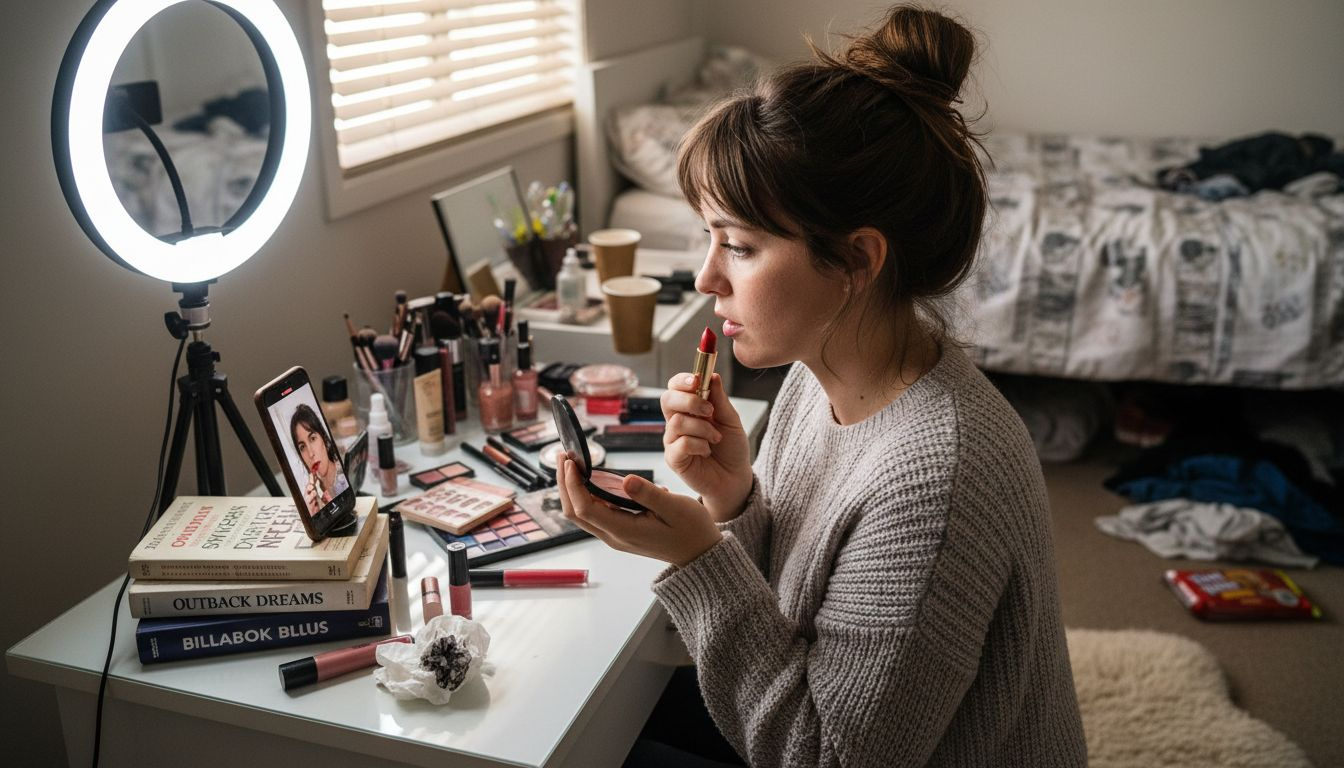
Beyond follower count, influencers can be further categorised by content specialisation. Beauty-focused influencers might include makeup artists, skincare enthusiasts, wellness bloggers, and professional beauty professionals. Each subgroup brings distinct audience demographics and expertise, enabling beauty businesses to precisely target their ideal consumer segments. The key is matching influencer characteristics with specific brand objectives and target market preferences.
Here’s a practical breakdown of influencer types and their advantages for Australian beauty brands:
| Influencer Tier | Audience Size | Engagement Level | Collaboration Cost |
|---|---|---|---|
| Nano | 1,000 – 10,000 | Highly engaged, niche | Low, often product-based |
| Micro | 10,000 – 100,000 | Strong and authentic | Moderate, mix of fees/gifts |
| Macro | 100,000 – 1 million | Good reach, lower engagement | Higher, fixed-rate contracts |
| Mega/Celebrity | 1 million+ | Broad, less personal | Very high, premium fees |
Pro tip: When selecting influencers for beauty marketing, prioritise alignment between the influencer’s aesthetic, audience demographics, and your brand’s core values over raw follower numbers.
How Influencer Campaigns Deliver Results
Influencer marketing campaigns generate substantial business outcomes by strategically leveraging social proof and targeted audience engagement. Campaign effectiveness frameworks demonstrate that successful marketing efforts depend on complex interactions between influencer attributes, content quality, and audience characteristics. For Australian beauty businesses, this means carefully designing campaigns that resonate authentically with specific consumer segments.
The primary mechanisms driving campaign results involve multiple interconnected factors. Influencers create compelling narratives around products, transforming traditional advertising into relatable storytelling that builds trust and credibility. Their ability to generate genuine emotional connections allows beauty brands to communicate value propositions more effectively than conventional marketing approaches. Engagement metrics such as likes, comments, shares, and conversion rates provide measurable indicators of campaign performance, enabling businesses to track and optimise their marketing investments.
Strategic campaign design requires deep understanding of audience psychology and platform-specific dynamics. Different social media platforms demand unique content approaches, with Instagram favouring visual storytelling, TikTok prioritising short-form video content, and YouTube supporting more in-depth product demonstrations. Beauty businesses must adapt their influencer partnerships to match these platform-specific communication styles, ensuring maximum relevance and audience engagement.
Use this summary when planning influencer marketing campaigns for beauty products:
| Campaign Element | Key Consideration | Impact on Results |
|---|---|---|
| Content Quality | Authenticity, relatability | Builds trust and brand credibility |
| Platform Choice | Suitability for visual/content type | Influences engagement and reach |
| Audience Fit | Demographic and value alignment | Drives conversions and loyalty |
| Measurement | Quantitative & qualitative metrics | Optimises spend and effectiveness |
Pro tip: Develop comprehensive tracking mechanisms that measure both quantitative metrics like reach and engagement, and qualitative outcomes such as brand sentiment and audience perception.
Legal Compliance and Partnership Best Practice
Influencer marketing partnerships in Australia demand rigorous legal compliance to protect both brands and content creators. Australian legal guidelines emphasise mandatory disclosure of commercial relationships, requiring influencers to transparently communicate sponsored content through clear labelling mechanisms. The Australian Competition and Consumer Commission (ACCC) actively monitors these partnerships, with potential significant penalties for businesses and influencers who fail to meet regulatory standards.
Comprehensive partnership agreements form the cornerstone of legally sound influencer collaborations. These contracts must explicitly outline expectations, content guidelines, compensation structures, intellectual property rights, and compliance requirements. Key elements include defining content ownership, specifying disclosure protocols, establishing performance metrics, and incorporating clauses that protect both parties from potential legal complications. Australian beauty businesses must develop robust documentation that demonstrates commitment to ethical marketing practices and regulatory compliance.
Platform-specific disclosure requirements add another layer of complexity to influencer marketing strategies. Different social media platforms have unique guidelines for sponsored content, necessitating a nuanced approach to transparency. Instagram’s paid partnership tags, YouTube’s sponsored content declarations, and TikTok’s advertising markers represent critical tools for maintaining legal integrity. Beauty brands must train their influencer partners to navigate these platform-specific requirements, ensuring consistent and compliant content across multiple digital channels.
Pro tip: Consult with a legal professional specialising in digital marketing to develop standardised partnership agreement templates that comprehensively address regulatory requirements and protect your business interests.
Common Pitfalls and Maximising ROI
Influencer marketing for Australian beauty businesses demands strategic precision to avoid costly mistakes that can undermine campaign effectiveness. Influencer marketing errors frequently stem from superficial approaches like prioritising follower count over genuine audience engagement. Beauty brands must shift from vanity metrics to more nuanced evaluation of influencer partnerships, focusing on alignment, authenticity, and demonstrable audience interaction.
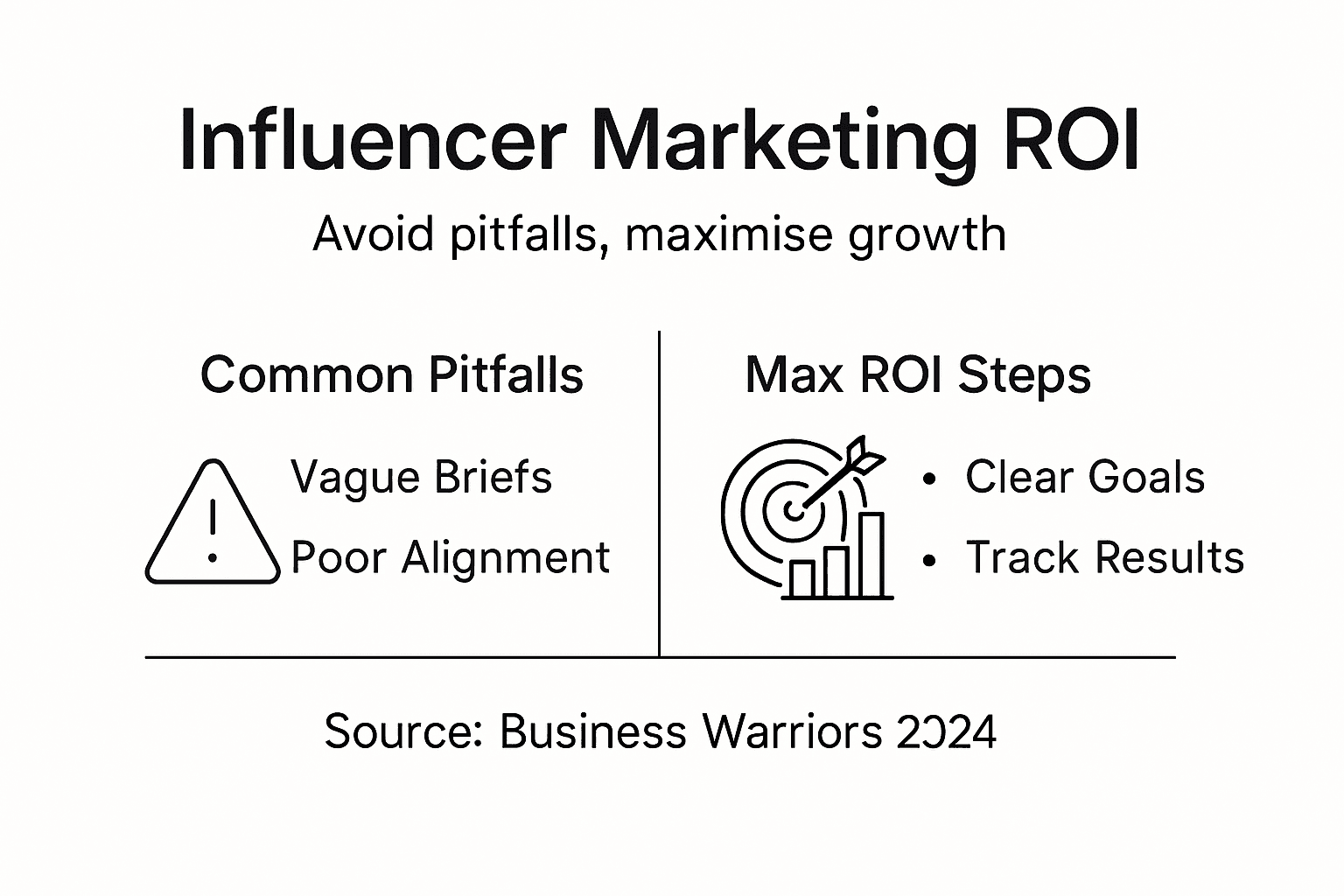
Common pitfalls include insufficient research, vague campaign briefs, and misaligned influencer selection. Successful ROI demands meticulous vetting of potential influencer partners, ensuring their audience demographics, content style, and values closely match the brand’s target market. This means moving beyond surface-level metrics to analyse audience quality, engagement rates, and the influencer’s capacity to generate meaningful conversions. Australian beauty businesses should develop comprehensive assessment frameworks that evaluate potential partners across multiple dimensions, including content quality, audience trust, and historical performance.
Maximising return on investment requires a holistic approach to influencer marketing. This involves creating detailed, collaborative briefs that provide clear guidelines while allowing creative freedom, establishing transparent performance metrics, and building long-term relationships with select influencers. Brands should implement robust tracking mechanisms that measure not just immediate sales, but also brand awareness, audience sentiment, and long-term customer acquisition potential. Strategic partnerships that prioritise mutual value and authentic storytelling consistently outperform transactional, one-off collaborations.
Pro tip: Develop a standardised influencer scorecard that objectively evaluates potential partners across engagement rates, audience demographics, content quality, and brand alignment before initiating any marketing partnerships.
Unlock Authentic Growth with Proven Influencer Strategies
Struggling to maximise your Australian beauty business’s influencer marketing ROI The article highlights key challenges such as choosing influencers based on genuine engagement not just follower numbers and designing campaigns that connect emotionally with target audiences Through your journey to cut through crowded feeds and build trusted social proof you need a comprehensive approach that integrates authentic storytelling and measurable results
At Business Warriors we specialise in empowering beauty and service-based businesses with our unique Marketing Vortex strategy Combining SEO paid ads and social media management we ensure your influencer collaborations drive consistent leads and bookings We understand the importance of matching influencer aesthetics and audience fit to your brand values plus ensuring legal compliance and transparent tracking Our tailored marketing systems help you avoid common pitfalls and scale with confidence
Ready to transform your influencer marketing into a powerful growth engine Discover how we can help you harness social proof and targeted engagement with strategic marketing solutions Explore insights from our Uncategorized Archives – Jarrod Harman blog and learn more about our approach and success stories at https://jarrodharman.com.
Take the next step today Connect with the Business Warriors team to build your custom influencer marketing blueprint that guarantees impact and accelerates your beauty business growth Visit https://jarrodharman.com to start this exciting journey.
Frequently Asked Questions
What is social influencer marketing?
Social influencer marketing is a digital strategy where businesses collaborate with online personalities to promote products or services, leveraging their authentic connection with audiences to create relatable content.
How can beauty businesses select the right influencers?
Beauty businesses should choose influencers whose aesthetic, values, and audience demographics align closely with their brand. It’s crucial to prioritise engagement rates over mere follower count for effective partnerships.
What are the different types of influencers in marketing?
Influencers are typically categorised into four tiers based on follower count: nano (1K-10K), micro (10K-100K), macro (100K-1M), and mega (1M+). Each group offers unique advantages and engagement levels for beauty brands.
How do influencer marketing campaigns drive results?
Influencer marketing campaigns drive results through authentic storytelling and emotional connections, allowing brands to communicate value propositions effectively. Metrics like likes, comments, and conversion rates help track campaign performance.
Recommended
- 7 Influencer Marketing Examples to Grow Your Business Online – Jarrod Harman
- Social Media Influencer Marketing for Aussie Brands – Jarrod Harman
- Marketing Attribution: Boosting Leads in Beauty Businesses – Jarrod Harman
- 7 Essential Types of Digital Advertising for Beauty Brands – Jarrod Harman
- Conversion Design Case Studies: Pinkpanda