

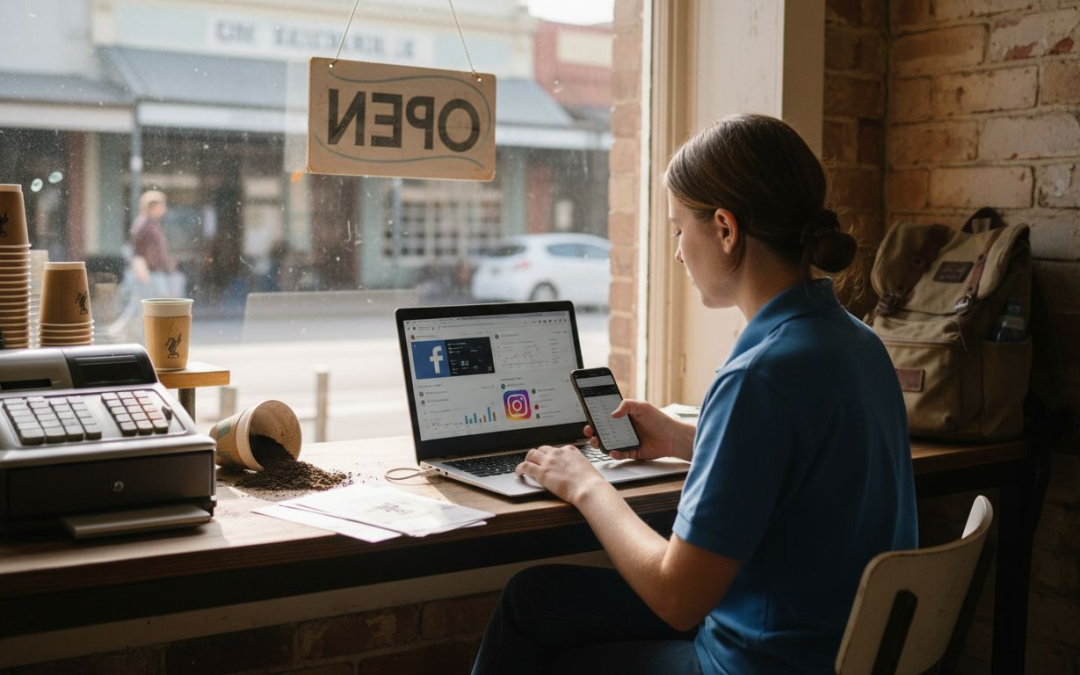
Every day, Australian women running salons, clinics, or wellness studios face a simple reality—clients are checking Facebook or Instagram before booking their next appointment. Social media is no longer just for sharing photos, it has become a powerful business engine that shapes how people perceive your expertise and builds authentic trust. By understanding how two-way communication between customers and businesses fuels stronger relationships, you can create a presence that attracts bookings, nurtures loyalty, and sets your brand apart in a crowded market.
Table of Contents
- Social Media’s Role In Modern Business
- Types Of Social Media And Aussie Usage
- Building Brand Visibility And Engagement
- Driving Sales And Customer Loyalty Online
- Navigating Risks And Compliance Requirements
Key Takeaways
| Point | Details |
|---|---|
| Leverage Social Media for Revenue | Social media is essential for Australian service-based businesses, driving engagement that directly impacts revenue and customer relationships. |
| Targeted Advertising is Key | Utilize location-based advertisements on platforms like Facebook and Instagram to effectively reach specific demographics and increase conversion rates. |
| Engagement Builds Trust | Regular, authentic engagement on social media enhances brand visibility and fosters trust, significantly influencing purchasing decisions. |
| Stay Compliant and Secure | Understand and manage compliance risks associated with privacy, data security, and misleading claims to protect your business and maintain customer trust. |
Social media’s role in modern business
Social media has transformed from a casual networking platform into a legitimate business channel that drives real revenue for Australian small businesses. For service-based businesses like yours, social media isn’t optional anymore—it’s where your clients spend their time, research their options, and make purchasing decisions. The shift has been dramatic. What started as a way to stay connected with friends has evolved into a sophisticated marketing ecosystem where two-way communication between customers and businesses directly influences your bottom line.
The mechanics of modern business success rely heavily on social media’s ability to bridge the gap between what you offer and who needs it. When you post content, engage with followers, or run targeted advertising campaigns on platforms like Facebook and Instagram, you’re doing more than just visibility work—you’re actively shaping how potential clients perceive your expertise. Research shows that firms adopting social media marketing strategies experience better customer relationships and improved business outcomes. This isn’t theoretical. When a woman searches for your salon services, reads reviews from existing clients on your social media page, and sees before and after photos of actual transformations, that direct engagement builds trust in ways traditional advertising simply cannot replicate.
Beyond customer engagement, social media plays a critical role in your overall SEO strategy and online visibility. Search engines now consider social signals when ranking websites. When your content receives engagement—shares, comments, likes—it sends positive ranking indicators to Google. Additionally, social media profiles themselves rank in search results. When someone searches for your business name or services in your area, your Facebook page, Instagram profile, or TikTok account often appears alongside your website. This multiplies your real estate in search results. The integration of social media with paid advertising through Google Ads and Meta advertising creates what we call an omnichannel presence, where potential clients encounter your brand across multiple touchpoints. Each interaction reinforces brand recognition and positions you as the authority in your niche.
For Australian service-based businesses targeting specific geographic areas, social media’s location-based advertising capabilities are invaluable. You can run campaigns specifically for women aged 35-50 within a 10-kilometre radius of your Perth clinic or Sydney salon. You control exactly who sees your ads, when they see them, and what message reaches them. This precision reduces wasted advertising spend and increases your conversion rate from viewer to actual booking. Combined with proper SEO optimisation—incorporating relevant keywords naturally into your social posts, using location tags, and building backlinks from directories—your social media presence becomes a lead generation powerhouse that works around the clock.
Pro tip: Set up Google Business Profile integration with your social media accounts so client reviews and photos automatically sync across platforms, maximising your social proof without extra effort while simultaneously boosting your local SEO rankings.
Types of social media and Aussie usage
Australian small business owners need to understand that not all social media platforms work the same way. Each platform attracts different users, serves different purposes, and offers different advertising opportunities. Rather than spreading yourself thin across every platform available, you should focus your efforts where your target clients actually spend their time. Australians prominently use Facebook, Instagram, TikTok, and WhatsApp, with usage patterns shaped by both global trends and local preferences. For service-based businesses targeting women aged 35-50, Facebook and Instagram remain your highest-priority platforms because that demographic actively uses these channels for research, recommendations, and booking services.
Facebook remains the dominant platform for Australian businesses because it combines broad demographic reach with sophisticated advertising tools. Women in your target age range check Facebook daily, join groups related to their interests (beauty, wellness, health, fitness), and actively search for local service providers. Instagram serves a slightly different purpose. While older generations certainly use it, Instagram excels at visual storytelling through photos and videos, making it particularly valuable for salons, spas, med spas, and beauty businesses where before and after transformations speak louder than words. TikTok has rapidly grown in Australian usage and shouldn’t be dismissed, even though your core demographic may not spend hours scrolling through it. However, short-form video content on TikTok can drive significant brand awareness and reach younger decision makers who influence purchasing choices or refer services to their parents. YouTube functions as both a social platform and search engine, meaning educational content you post there gets discovered long after you publish it through Google searches.
WhatsApp deserves mention not as a broadcast platform but as a direct communication channel. Once someone books with you, WhatsApp becomes invaluable for appointment reminders, follow-up care instructions, and building client relationships. The beauty of understanding platform diversity lies in strategic allocation. Rather than posting identical content across five platforms daily, you should invest heavily in Facebook and Instagram advertising, maintain consistent presence with quality content, and use email marketing to nurture relationships. Each platform’s advertising features differ significantly. Facebook and Instagram offer location-based targeting that lets you reach women within 10 kilometres of your business. Google Ads captures search intent when someone actively searches for your services. The combination creates what we call omnichannel coverage, where your target market encounters your business across multiple touchpoints.
When planning your social media strategy, resist the urge to chase every new platform. Concentrate on Facebook and Instagram for paid advertising reach, use YouTube for educational content that ranks in search results, maintain WhatsApp for direct client communication, and consider TikTok only if short-form video aligns with your brand. Your advertising budget should reflect this priority. If you have $500 monthly to spend, allocate roughly 60% to Facebook and Instagram combined, 20% to Google Ads, 15% to YouTube, and experiment with the remaining 5%. This allocation matches where Australian women aged 35-50 spend their time online and where they make purchasing decisions.
Here’s a comparison of major social media platforms for Australian service-based businesses:
| Platform | Key User Demographic | Best Use Case | Advertising Precision |
|---|---|---|---|
| Women 35-50, all ages | Community building, reviews | Location & interest targeting | |
| Women 30-50, younger users | Visual storytelling, transformations | Location & age targeting | |
| TikTok | Under 35, trend seekers | Short-form video, brand awareness | Broad reach, less location control |
| All ages, clients | Direct messaging, reminders | No paid advertising, private channel | |
| YouTube | Mixed, info seekers | Educational content, tutorials | Search intent, broad targeting |
Pro tip: Track which platform drives the most bookings using unique phone numbers or discount codes for each channel, then reallocate your budget monthly towards the top two performers rather than maintaining equal spending across all platforms.
Building brand visibility and engagement
Brand visibility isn’t something that happens by accident. It’s built deliberately through consistent, strategic presence on the platforms where your target clients spend their time. When you post regularly on Facebook and Instagram, respond to comments, share client transformations, and engage authentically with your audience, you’re doing far more than just filling up your feed. You’re creating touchpoints that build familiarity and trust. Research shows that social media significantly influences consumer purchase intentions and loyalty. For a woman researching a salon or clinic before booking, seeing your genuine client interactions, positive reviews, and before and after results across your social media presence dramatically increases the likelihood she’ll choose you over a competitor with little or no social presence.
The mechanics of building visibility work through both organic reach and paid advertising. Organic reach means the content you post gets seen by your existing followers and their networks through shares and engagement. Paid advertising amplifies this by placing your content in front of people who don’t yet follow you but match your target demographic. When you run a Facebook ad targeting women aged 35-50 within your geographic area, interested in beauty or wellness services, you’re essentially introducing your business to qualified prospects at the exact moment they’re open to discovering new options. The combination of organic and paid creates compounding visibility. Content that addresses customer needs and communicates unique selling points enhances brand awareness for small businesses by encouraging sharing and word of mouth amplification. When your followers share your posts with their networks, your brand visibility extends far beyond your direct advertising spend.

Engagement transforms visibility into relationships. Visibility alone means someone sees your name. Engagement means they interact with you, ask questions, leave comments, and start conversations. This is where the real business magic happens. Every time you respond thoughtfully to a comment, answer a question in direct messages, or address a concern publicly, you’re demonstrating the same care and attention your clients receive in your business. This builds brand loyalty that paid advertising alone cannot achieve. For SEO purposes, this engagement matters significantly. Comments, shares, and time spent on your posts send positive signals to Google about content quality. Additionally, the conversations in your social media comments provide valuable content marketing opportunities. Common questions become blog posts. Frequently mentioned concerns become educational videos. Your community feedback directly informs your content strategy.
The strategic approach to visibility and engagement involves consistent content creation aligned with SEO keyword research, paid advertising to reach new audiences, and genuine community interaction. Post three to four times weekly with content that educates, entertains, or inspires your target audience. Respond to every comment within 24 hours. Share client testimonials and transformations (with permission). Run monthly Facebook and Instagram ad campaigns targeting specific demographics and interests. Track which content types generate the most engagement and bookings, then produce more of that content. Over time, this consistent investment builds a visible, engaged community that becomes your most valuable marketing asset and your strongest source of referrals.
Pro tip: Create a social media content calendar with themed posting days (transformation Tuesdays, tips Thursdays, testimonial Fridays) to maintain consistency without daily scrambling, then schedule posts in advance using Meta Business Suite so you stay visible even during busy client days.
Driving sales and customer loyalty online
Social media transforms from a visibility tool into a revenue-generating machine when you understand how to convert followers into paying clients and repeat customers. The difference between a business that merely posts content and one that drives consistent sales lies in strategy. Rather than treating social media as a broadcasting channel, successful Australian service-based businesses use it as a direct sales and relationship-building tool. Social media marketing directly influences brand loyalty by enabling companies to build honest and ongoing relationships with customers. When a potential client follows your salon or clinic, sees consistent quality content, reads genuine testimonials, and observes how you interact with existing customers, they’re evaluating whether you deserve their trust and money. This trust converts into bookings.
The conversion pathway works like this: awareness, consideration, decision, purchase, and retention. Social media accelerates movement through each stage. In the awareness phase, your paid advertising reaches women searching for solutions to their problems. During consideration, your organic content demonstrates expertise and showcases results. At the decision stage, testimonials and reviews visible on your social media profiles tip the scales in your favour. The purchase happens when a prospect messages you directly through Facebook or Instagram, books through a link in your bio, or calls because they found you on social media. But here is where most businesses miss the opportunity: the real profit comes from what happens after the initial sale. Small businesses benefit substantially from social media marketing by enhancing consumer engagement, which translates into increased sales and loyalty through relationship-building. After someone becomes a client, continuing to engage them through social media—sharing helpful tips, celebrating their results, staying top-of-mind—dramatically increases the likelihood they’ll rebook and refer friends.
Customer loyalty in the social media age means staying visible and valuable to past clients long after their transaction ends. Post-appointment follow-ups on WhatsApp or Facebook Messenger, tips relevant to their service, and gentle reminders about rebooking create a continuous relationship. For example, a salon client who gets balayage doesn’t need another balayage for three months. But from week one to week twelve, you can share hair care tips, seasonal style inspiration, and exclusive offers through social media. This keeps your business present in her mind so when she’s ready to rebook, you’re the obvious choice. Additionally, satisfied clients who see ongoing value from your social media content become advocates who share your posts and recommend you to friends. This word-of-mouth amplification, triggered by consistent social media presence, costs nothing but generates qualified referrals.
The sales acceleration comes from combining social media engagement with strategic Google Ads and Facebook advertising. While organic social media builds relationships with existing and past clients, paid advertising drives new prospect awareness. Together, they create a sustainable sales engine. Track which social media content drives the most direct bookings, which types of posts generate the most shares (expanding your reach), and which engagement patterns precede someone booking. Use this data to refine your approach monthly. Over time, your social media presence becomes self-sustaining—not because it magically converts, but because you’ve intentionally designed it to move people from stranger to client to loyal advocate.
Pro tip: Create a simple spreadsheet tracking which clients came from social media, what content they engaged with before booking, and whether they’ve rebooked or referred others—this data reveals exactly which social media investments generate the highest return on your advertising spend.
Navigating risks and compliance requirements
Whilst social media offers tremendous advantages for Australian small businesses, it introduces genuine risks that require careful management. Many service-based business owners focus entirely on the marketing benefits and overlook the compliance and security considerations that can expose them to legal liability, reputational damage, or loss of client trust. Understanding these risks isn’t about being paranoid or overly cautious—it’s about protecting the business you’ve built. Social media platforms introduce security and privacy risks including reputational damage, loss of customer trust, and compliance violations that require strong governance strategies. For a salon or clinic owner, this means establishing clear policies around what gets posted, who has access to your accounts, how client information is handled, and what constitutes appropriate social media conduct for you and your staff.
Privacy and data protection represent your most critical compliance obligation. When clients book through your Facebook page, message you on Instagram, or provide their phone number in comments, you’re collecting personal information. Australian Privacy Principles require that you handle this data securely and use it only for the purposes clients expect. You cannot harvest client contact information from social media and sell it to third parties. You cannot share before and after photos without explicit written consent. You cannot tag clients in posts without permission. Breaching these obligations invites regulatory action from the Office of the Australian Information Commissioner. Beyond legal risk, privacy violations destroy client trust rapidly. A woman who feels her privacy has been violated won’t just stop booking with you—she’ll tell everyone. Implement simple practices: always ask permission before posting client photos, store client data securely, limit staff access to social media accounts, and maintain clear records of consent.
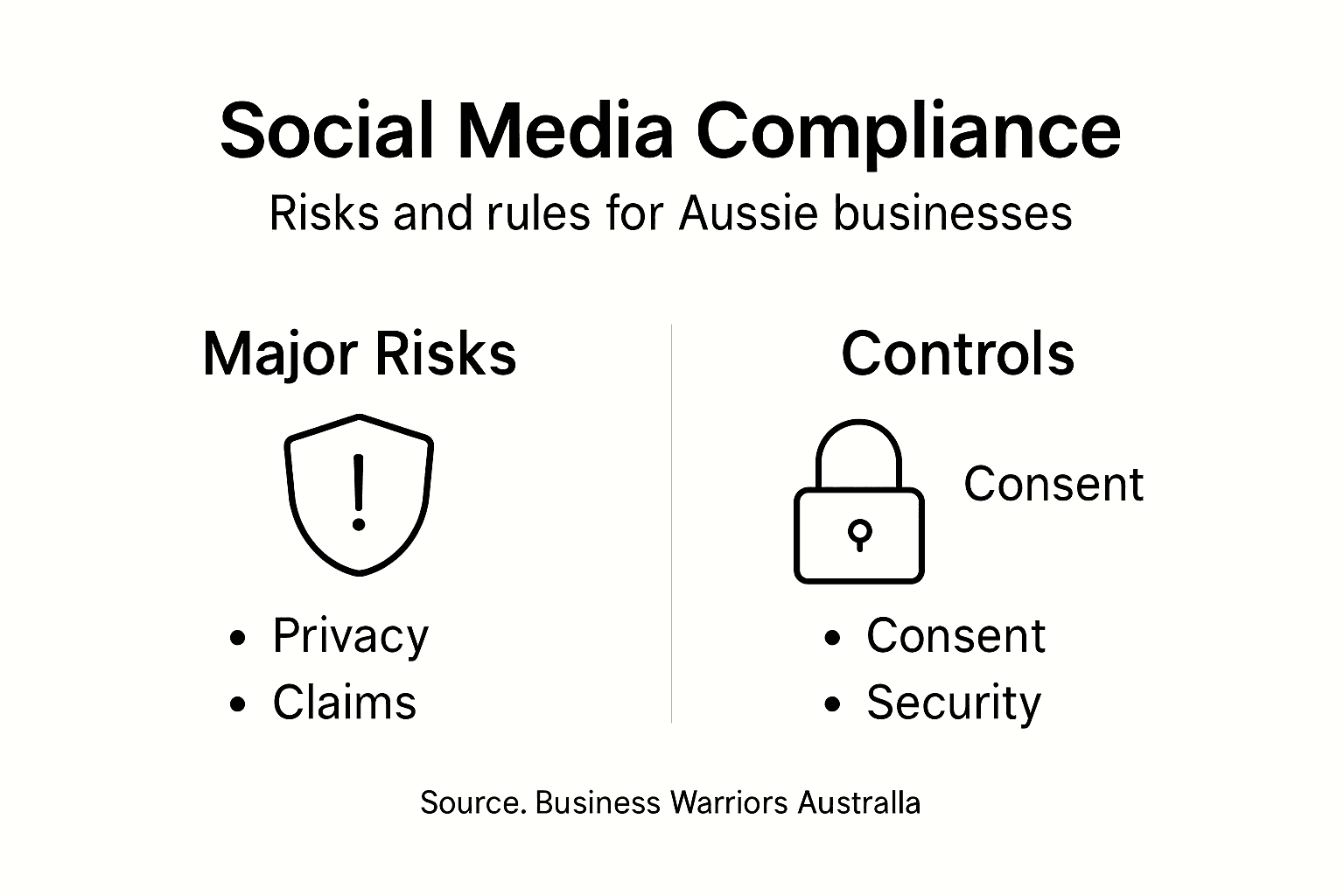
Another significant risk involves professional standards and misleading claims. If you operate a medical aesthetics clinic or therapeutic business, social media posts must comply with professional body standards and Australian Consumer Law. You cannot make unsubstantiated claims about what your service can achieve. You cannot post before and after photos that appear altered or unrealistic. You cannot pretend client testimonials are genuine when they’re written by staff members. The Therapeutic Goods Administration, ASIC, and the ACCC actively investigate social media compliance in regulated industries. A single complaint can trigger investigation costing time and money. Stick to truthful, substantiated claims. When posting client results, ensure photos represent realistic, achievable outcomes. Encourage genuine reviews rather than fabricating testimonials.
Account security demands attention too. Use strong, unique passwords for all social media accounts. Enable two-factor authentication. Limit staff access to only those who need it. If staff leave your employment, immediately remove their access. Compromised accounts can be used to post inappropriate content, send spam messages, or scam your followers, all damaging your reputation. Store passwords in a secure password manager rather than writing them down or sharing them via email. Regularly audit who has access to your accounts and what permissions they hold. Finally, maintain a documented social media policy that outlines expectations for content, behaviour, client privacy, and account management. This protects you legally and ensures consistency across your team.
Below is a summary of key compliance risks and recommended mitigation strategies for Australian small businesses on social media:
| Risk Type | Business Impact | Mitigation Strategy |
|---|---|---|
| Privacy breach | Loss of client trust, fines | Seek explicit consent, secure data |
| Misleading claims | Legal action, reputational harm | Ensure accuracy and compliance |
| Account compromise | Inappropriate posts, scams | Use strong passwords, two-factor auth |
| Unauthorised access | Staff misuse, account hijack | Limit access, audit permissions |
Pro tip: Create a simple consent form that clients sign when first booking, clearly stating that before and after photos, testimonials, and their experience may be shared on social media—this single document prevents most privacy disputes and demonstrates your commitment to compliance.
Unlock the Full Potential of Social Media for Your Business Growth
The article highlights the challenge many Australian service-based businesses face in harnessing social media effectively to generate consistent leads and sales. You know that social media is no longer optional but a critical factor in reaching women aged 35 to 50 nearby, building trust through engagement and authentic content, and converting followers into loyal clients. Key pain points include mastering location-based advertising, creating compelling visual stories, managing compliance and privacy risks, and maintaining ongoing client relationships digitally.
At Business Warriors, we understand these challenges deeply. Our proven Marketing Vortex method integrates SEO, Google Ads, Facebook and Instagram advertising, and social media management into a seamless omnichannel strategy designed to boost your bookings and grow your brand visibility. Whether you need tailored content calendars, precise demographic targeting, or compliance-safe campaign management, we offer expert solutions to lift your marketing from random posts to measurable results.
Start your journey to a stronger social media presence today. Explore how our strategies can help you dominate your local market in Perth and beyond by visiting Uncategorized Archives – Jarrod Harman, check out success stories on our main site, and learn more about our integrated approach with Business Warriors.
Ready to convert social media interest into real sales and customer loyalty? Connect with us now at https://jarrodharman.com and take the first step towards transforming your online marketing into a powerful client acquisition engine.
Frequently Asked Questions
What are the benefits of using social media for small businesses?
Social media provides advantages like increased brand visibility, customer engagement, improved SEO, and targeted advertising. It allows businesses to connect directly with potential clients and build trust through authentic interactions.
How can social media enhance customer relationships?
Social media promotes two-way communication, enabling businesses to respond to comments and questions, share customer success stories, and create a community around their brand. This builds loyalty and trust, encouraging repeat business.
What role does social media play in a business’s SEO strategy?
Social media activity signals search engines, as engagement (likes, shares, comments) can boost search rankings. Additionally, social media profiles rank in search results, increasing your online visibility.
How should small businesses allocate their advertising budget across different social media platforms?
Small businesses should prioritise spending on platforms where their target audience actively engages. For example, allocate around 60% to Facebook and Instagram, 20% to Google Ads, 15% to YouTube, and experiment with the remaining 5% on emerging platforms.
Recommended
- Advantages of Social Media in Business Growth – Jarrod Harman
- Why Advertise on Social Media: Real Results for Aussie Businesses – Jarrod Harman
- Why Social Media Drives Business Advertising Success – Jarrod Harman
- Understanding Social Media Marketing Advantages and Disadvantages – Jarrod Harman
- How To Leverage Instagram Automation for Business Growth