

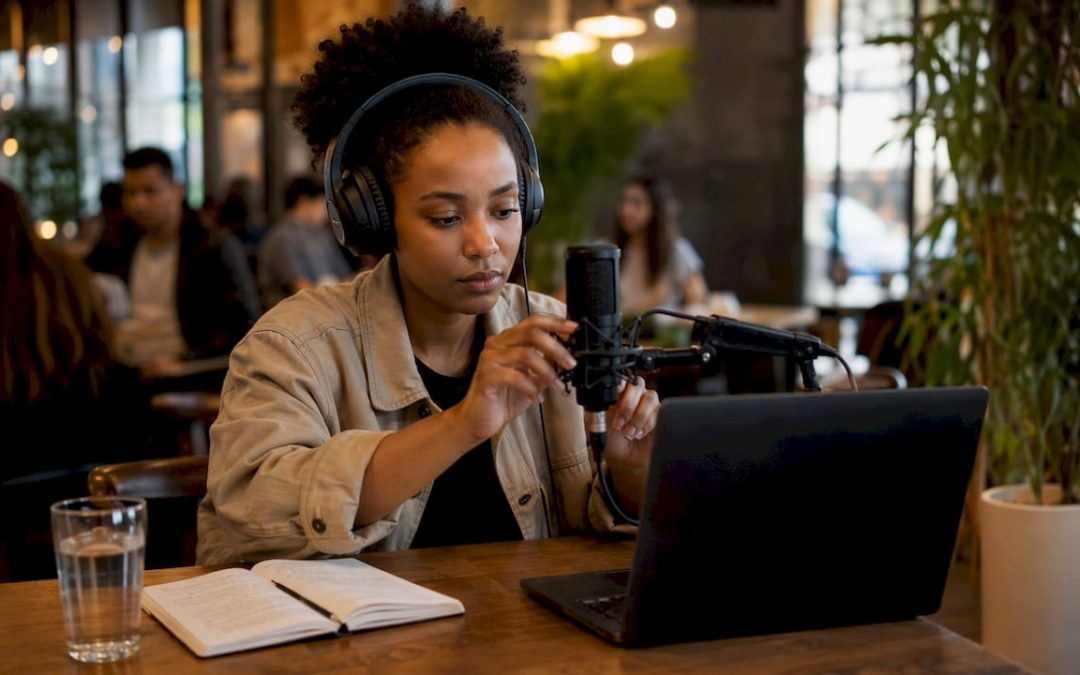
TL;DR:
- Promoting podcasts on social media involves transforming episodes into multiple platform-specific assets and using AI and SEO techniques.
- Most episodes generate numerous engaging clips, quotes, and posts that increase discoverability beyond existing subscribers.
Promoting podcasts on social media is defined as the practice of converting audio episodes into platform-native content assets that reach audiences beyond your existing subscriber base. US podcast listenership sits at 47% monthly as of Q1 2026, yet most episodes only reach people who already subscribe. That gap is the opportunity. The most effective social media podcast strategy treats every episode as a content bank, not a single post. When you combine AI-assisted repurposing, SEO-driven discoverability, and paid amplification, you build a system that compounds over time.
1. How to repurpose podcast episodes into social media assets
A single 45–60 minute episode can yield 10–20 social assets, including 3–5 short video clips, 2–4 audiograms, 3–5 quote graphics, text threads, and long-form posts. That means one recording session fills your content calendar for the entire week across every platform.

The production workflow matters as much as the output. AI-assisted clipping tools scan transcripts and flag high-engagement moments automatically. Batch production, where you process all clips from one episode in a single session, cuts editing time by more than half compared to ad hoc clipping.
Short video clips consistently outperform audiograms on TikTok, Instagram Reels, and YouTube Shorts. Audiograms work well on LinkedIn and X where professional audiences tolerate slower formats, but on visual-first platforms, a talking-head clip with on-screen text wins every time.
Burn-in captions are non-negotiable for social video. Most people scroll feeds with their sound off, and a clip without readable captions loses that viewer in the first two seconds. Every clip you produce must have captions baked into the video file, not just as a platform-generated overlay.
Key asset types from one episode:
- Short video clips (60–90 seconds): Best moments, strong opinions, or surprising facts
- Audiograms: Waveform visuals with a quote overlay, suited to LinkedIn and X
- Quote graphics: Pull a single punchy line and design it as a static image
- Text threads: Break down the episode’s key argument into a 5–7 post thread on X or LinkedIn
- Long-form post: A 300–500 word summary for LinkedIn or your blog, optimised for SEO keywords
- Stories and polls: Behind-the-scenes content and audience questions for Instagram and Facebook
Pro Tip: Use an AI transcription tool to generate a full episode transcript first, then feed it into a content planning tool to identify the top 5 clip-worthy moments before you open your video editor. This cuts clip selection time from hours to minutes.
2. Which platforms deliver the best results for podcast promotion
Short clips on TikTok, Reels, and Shorts are now the primary discovery entry points for new listeners, often before they ever open a podcast app. That shift changes everything about how you allocate your production effort.
Each platform has a distinct content behaviour that you need to match:
- TikTok: Fast hooks, high energy, 30–60 second clips. The algorithm rewards watch-through rate, so your first second must be a bold claim or a surprising statement. Captions in large, high-contrast text perform best.
- Instagram Reels: Similar to TikTok but skews slightly older. Reels with trending audio or original sound both perform well. Use the caption field for SEO keywords and a clear call to action.
- YouTube Shorts: Feeds directly into YouTube’s search engine, which is the second-largest search engine globally. Shorts that drive viewers to your full-length YouTube episode create a compounding SEO loop.
- LinkedIn: Insight-led clips of 60–90 seconds work best. Professional audiences respond to data, frameworks, and contrarian opinions. Posting cadence of 3–4 times per week is the sweet spot for most B2B podcasters.
- X and Threads: Conversational and interactive. Text threads summarising episode arguments generate replies and shares. Pair threads with a short clip to increase impressions.
The most effective social media platforms for podcasts are not the ones with the largest audiences. They are the ones where your specific listeners already spend time. Run a 30-day test across two or three platforms before committing your full production effort to any single channel.
3. Content pillars that make podcast social promotion work
Categorising posts as educational, inspirational, or entertaining signals the right audience to algorithms and keeps your content identity consistent. This Three Pillars Framework, widely referenced in podcast marketing circles, is the fastest way to build a recognisable social presence around your show.
Each pillar serves a different audience need and a different algorithmic function:
- Educational: How-to clips, data breakdowns, and expert insights. These posts attract search-driven traffic and position you as an authority. They also perform well in AI-generated search results and large language model citations, which increasingly pull from structured, factual content.
- Inspirational: Guest success stories, transformation moments, and motivational quotes. These drive shares and saves, which are strong signals for most platform algorithms.
- Entertaining: Bloopers, behind-the-scenes moments, and personality-driven clips. These humanise your brand and reduce audience churn.
“Consistent content strategy anchored by a primary pillar optimises algorithmic delivery and audience targeting. Creators who commit to one dominant pillar see faster audience growth than those who post without a defined content identity.”
Pillar consistency matters more than posting frequency. An account that posts three times a week under a clear educational pillar will outperform one that posts daily with no coherent theme. Algorithms learn your content category and serve it to the right people. Inconsistency confuses that signal and suppresses reach.
A well-structured content marketing framework gives your podcast social posts a purpose beyond filling a calendar. It connects each post to a broader audience-building goal.
4. Scheduling, engagement, and audience growth tactics
The 30/30/30/10 content distribution rule structures your posting across a 90-day window: 30% original content, 30% guest features, 30% interactive posts, and 10% personal content. This balance keeps your feed varied while maintaining a clear brand voice.
For a single episode release, a week-long content cadence looks like this:
- Day 1 (release day): Post the primary short clip with a strong hook and episode link in bio
- Day 2: Share a quote graphic from the episode with a question in the caption to drive comments
- Day 3: Post a text thread on X or LinkedIn breaking down the episode’s core argument
- Day 4: Run a poll or Q&A story on Instagram or Facebook tied to the episode topic
- Day 5: Share a second short clip, ideally a different moment than Day 1
- Day 6: Post a behind-the-scenes image or short video from the recording session
- Day 7: Reshare the best-performing post from the week with updated copy
Engagement tactics drive more growth than posting volume alone. Polls, Q&A boxes, and reply-to-comment videos all signal active community behaviour to algorithms. Responding to every comment in the first hour after posting is one of the highest-leverage habits you can build.
Social media direct conversion rates for podcasts sit at approximately 1.3%. That number tells you social media is a discovery and funnelling channel, not a direct sales tool. Your goal is to move people from a 30-second clip to a full YouTube episode or a blog post, where SEO and longer dwell time do the conversion work.
Pro Tip: Connect your social analytics to your podcast hosting dashboard weekly. When a clip spikes in views, check whether episode downloads increased in the 48 hours after. That correlation tells you which content types actually drive listeners, not just impressions.
Paid amplification accelerates what organic posting proves. Once you identify a clip that drives measurable listener growth, put a Meta Ads or Google Ads budget behind it. The benefits of paid social advertising compound when you already have organic proof of concept. A well-structured content calendar keeps paid and organic posts coordinated so your audience receives a consistent message across every touchpoint.
5. Using SEO and AI to amplify podcast discoverability
SEO and podcast promotion are not separate disciplines. Every piece of social content you create from an episode is an opportunity to rank in Google, appear in YouTube search, and get cited by AI tools like ChatGPT, Perplexity, and Google’s AI Overviews.
YouTube Shorts and long-form YouTube episodes indexed by Google create a permanent search asset. A clip titled “Why most businesses fail at email marketing” will surface in Google search results for that query long after you post it. That is fundamentally different from a TikTok clip, which has a short algorithmic shelf life.
AI-generated search results, also called Generative Engine Optimisation (GEO), increasingly pull from structured, authoritative content. Podcast show notes written with clear headings, named entities, and specific data points are more likely to be cited by large language models than vague episode descriptions. Treat your show notes as SEO documents, not administrative summaries.
Growing your podcast audience on social media requires the same keyword research discipline as a blog strategy. Use Google’s autocomplete, YouTube search suggestions, and tools like Google Trends to identify the exact phrases your potential listeners type. Then build clip titles and captions around those phrases.
AI-assisted clip selection is now a standard part of professional podcast workflows. Tools that analyse transcripts for sentiment, pacing, and keyword density identify the moments most likely to perform on social before you spend a minute in an editing suite. The hook in the first second of every clip is the single most important variable in whether a viewer watches or scrolls. Bold claims, surprising statistics, and direct questions all outperform soft introductions.
Key takeaways
Promoting podcasts on social media requires treating every episode as a multi-asset content system, not a single post, and distributing those assets across platform-native formats with consistent SEO and paid amplification.
| Point | Details |
|---|---|
| Repurpose every episode | One 45–60 minute episode produces 10–20 social assets across video, audio, and text formats. |
| Captions are mandatory | Burn-in captions on every video clip are required because most social feeds are watched without sound. |
| Use content pillars | Anchoring posts to educational, inspirational, or entertaining pillars improves algorithmic targeting. |
| Social drives discovery, not direct conversion | With direct conversion rates near 1.3%, use social to funnel audiences to YouTube or SEO-optimised content. |
| Combine organic and paid | Test clips organically first, then amplify proven performers with Meta Ads or Google Ads budgets. |
What I’ve learned about podcast promotion that most guides won’t tell you
Most podcast promotion advice focuses on posting more. The real problem is almost always posting smarter.
I’ve worked with service-based businesses across Australia that produce genuinely excellent podcast content and get almost no traction on social. The issue is never the audio quality. It’s that they treat the podcast as the product and social media as an afterthought. The reality is the opposite. For most audiences in 2026, the short clip is the product. The full episode is the reward for people who already trust you.
The shift I’ve seen work consistently is when creators stop thinking about “promoting the podcast” and start thinking about “publishing ideas.” A 60-second clip that teaches something specific, challenges a common assumption, or shares a real result will always outperform a clip that says “new episode out now.” Nobody shares an announcement. People share ideas.
The AI angle is real and it’s moving fast. Podcast show notes and transcripts that are structured for search are now being pulled into AI Overviews and large language model responses. That means your podcast content can appear in ChatGPT answers and Perplexity results without anyone clicking through to your site. That is brand exposure at scale, and most podcasters are not writing their show notes with that in mind yet.
Paid amplification is the accelerant, not the engine. I’ve seen creators burn budget boosting clips that had no organic signal. The ones that work are always clips that already showed engagement. Spend $20 on a clip that got 50 organic comments before you spend $500 on one that got three.
The podcasters who grow fastest treat their show as one node in a broader content system that includes SEO, social, email, and paid media. That is exactly the integrated approach that produces compounding results.
— Business Warriors | Jarrodharman
Podcast promotion meets integrated digital marketing
Marketing professionals who want to scale their podcast reach beyond organic posting need a system that connects social content to SEO, paid media, and measurable audience growth.
Jarrodharman’s digital marketing expertise covers the full channel mix: Meta Ads, Google Ads, SEO, and social media content, all built around the Marketing Vortex Method that integrates every channel into one growth system. If you are producing podcast content and want it to generate real leads and not just impressions, the Marketing Vortex approach gives you the framework to make that happen. Explore how Jarrodharman works with service-based businesses across Australia to turn content into consistent client acquisition.
FAQ
What is the best social media platform for promoting a podcast?
TikTok, Instagram Reels, and YouTube Shorts are the strongest discovery platforms because short clips on these channels are primary entry points for new listeners before they engage with podcast apps.
How many social posts should one podcast episode generate?
A 45–60 minute episode can produce 10–20 social assets, including short video clips, audiograms, quote graphics, and text threads, enough to fill a full week of posting.
Why do podcast clips need burn-in captions?
Most social media feeds are browsed without sound, so clips without readable captions lose viewers in the first two seconds and fail to convert passive scrollers into listeners.
What is the 30/30/30/10 rule for podcast social media?
The 30/30/30/10 rule structures posting as 30% original content, 30% guest features, 30% interactive posts, and 10% personal content across a 90-day window to maintain variety and engagement.
How does SEO connect to podcast social media promotion?
YouTube episodes and SEO-optimised show notes rank in Google search and get cited by AI tools like ChatGPT and Perplexity, creating permanent discovery assets that outlast the short algorithmic shelf life of social clips.