7 August 2026
Nine lead generation campaign examples that fill your pipeline
Discover nine effective lead generation campaign examples that can significantly boost your sales pipeline and drive business growth.
Nine lead generation campaign examples can reliably fill the sales pipeline for Australian service and product businesses , when each one is paired with the right channel, a clear offer, and a measurable KPI. Here is the short list so you can scan and choose:
- Webinar or live demo , converts warm audiences at 20%+ when the topic solves a specific pain point
- Gated report or whitepaper , drives B2B leads via SEO and paid search; CPL often lower than paid social
- LinkedIn Lead Gen Forms , average 13% form-fill rate and a US$47 average cost per B2B lead in 2026
- Free trial or demo signup , best for SaaS and service businesses with a clear product experience
- Referral programme , lowest CPL of any channel when existing clients are genuinely satisfied
- Quiz or assessment , gamified formats have produced 15,000+ participants in single campaigns
- Paid search with lead form extensions , captures high-intent buyers at the moment of search
- Chat or AI capture with nurture , converts website visitors who would otherwise bounce without a trace
- Newsletter upgrade with gated content , builds a permission-based list that compounds over time
Three KPIs worth anchoring to before you pick: cost per lead (CPL), landing page conversion rate (target 20–40% for a focused offer), and MQL-to-SQL rate (a healthy benchmark is 13–20% for B2B). Salesforce ANZ guidance recommends tying every campaign to centralised CRM data so you can track lead quality all the way to revenue, not just volume.
Pick one template from the list above, set a 30-day test budget, and run it before adding a second channel.
Key takeaways
The most effective lead generation campaigns pair a specific, outcome-named offer with the right channel for the audience’s awareness level, then measure CPL, conversion rate, and MQL-to-SQL rate from day one.
| Point | Details |
|---|---|
| Start with one campaign | Pick the template that matches your business type and budget; master it before adding a second channel. |
| Offer specificity drives conversion | A named, specific outcome in your CTA converts at three to five times the rate of a generic “book a call” offer. |
| LinkedIn Lead Gen Forms for B2B | Average 13% form-fill rate and US$47 CPL in 2026; Sales Navigator matched audiences improve lead-to-opportunity rates by 4.1x. |
| AI and GEO are now lead channels | Consistent, structured content that earns citations in AI-generated answers (ChatGPT, Perplexity, Google AI Overviews) drives traffic without a click. |
| Jarrodharman’s Marketing Vortex | Business Warriors integrates SEO, paid ads, social, and email into a single funnel , diagnostic, pilot, and scale , for Australian service and product businesses. |
Table of Contents
- What is a lead generation campaign and why does it matter for Australian businesses?
- How to build a lead generation campaign step by step
- Nine practical lead generation campaign templates with KPIs
- Which campaign types suit B2B vs B2C and service vs product businesses?
- What tools and platforms do Australian businesses use to run these campaigns?
- How the Marketing Vortex method integrates these campaigns
- What most marketers get wrong about lead generation campaigns
- Business Warriors runs these campaigns for you
- Sources
What is a lead generation campaign and why does it matter for Australian businesses?
A lead generation campaign is any coordinated marketing effort designed to attract potential buyers, capture their contact details, and move them toward a sales conversation. Success is measured by four numbers: total leads generated, CPL, landing page conversion rate, and the ratio of marketing-qualified leads (MQLs) to sales-qualified leads (SQLs). When those four numbers are tracked together, you have a pipeline you can predict and scale.
For Australian businesses, this matters more than it might in larger markets. The domestic addressable market is smaller, so wasted spend on unqualified leads hurts faster. A service business in Perth or Melbourne cannot absorb three months of poor CPL the way a US enterprise might. Getting the campaign structure right from the start is what separates businesses with a consistent booking calendar from those lurching between feast and famine.
Australian buyer behaviour also shapes which campaigns work. B2B buyers here tend to self-educate heavily before contacting a vendor, which means gated content, webinars, and LinkedIn campaigns intercept them earlier in the funnel. B2C service buyers , salons, clinics, med spas , respond strongly to social proof, local search intent, and time-limited offers on Meta and Google. The channel mix looks different depending on whether you are selling a $200 appointment or a $20,000 consulting retainer.
Key outcomes a well-run campaign delivers:
- Predictable pipeline: you know roughly how many leads a given spend will produce
- Lower CAC over time: as you optimise creative and targeting, cost per acquisition falls
- Better LTV:CAC ratio: quality-focused campaigns attract buyers who stay longer and spend more
- Sales and marketing alignment: a shared lead definition stops good leads from leaking between teams
How to build a lead generation campaign step by step
Adobe’s nine-step framework covers the full process from analysis through to reporting, and it maps well to what Australian marketing teams actually need to execute. Here is a condensed version you can work through before launching any of the nine campaign templates below.
- Set a specific goal. Define the number of leads, the CPL ceiling, and the MQL definition before touching any platform. Vague goals produce vague results.
- Research your audience. Build one primary persona: job title, pain point, where they spend time online, and what offer would make them hand over their email address.
- Choose your angle and offer. Match the offer to the awareness level. Cold audiences need a low-commitment entry point (a quiz, a checklist, a short report). Warm audiences will accept a demo request or a free consultation.
- Build the landing page. One offer, one CTA, no navigation links. Limit form fields to what sales actually needs: name, email, company, and job title for B2B; name, email, and phone for B2C service bookings. More fields kill conversion rates.
- Create the ad or content assets. Launch with at least 12–15 creative variants across your core angles. This is not optional , it is the minimum needed to exit the learning phase with statistically meaningful signal.
- Set up tracking before you spend a dollar. Configure server-side conversion tracking (Meta’s Conversions API, Google’s enhanced conversions) so iOS privacy changes do not blind your attribution. A campaign without clean conversion data is a campaign you cannot optimise.
- Launch and fund the learning phase. Aim to capture at least 50 conversion events within the first seven days. Below that threshold, most ad platforms cannot optimise delivery effectively.
- Score leads and hand off to sales. Assign point values to actions (form fill, email open, page visit, demo booked) and set a threshold at which a lead moves from MQL to SQL. Salesforce ANZ recommends closing the gap between marketing and sales with shared dashboards and agreed-upon lead definitions.
- Measure, report, and optimise. Review CPL, conversion rate, and MQL-to-SQL rate weekly for the first month. Kill underperforming creative at day 7, scale winners at day 14.
Pro Tip: Use an AI-assisted campaign builder to generate 30–50 creative variants at launch rather than writing each one manually. According to adlibrary.com’s AI campaign guide, this approach compresses angle research and accelerates learning-phase exit by 40–60%, meaning you find your winning message faster and waste less budget on guesswork.
Nine practical lead generation campaign templates with KPIs
Each template below includes a suggested offer, minimum landing page fields, a three-step follow-up sequence, and KPI targets. Adapt the copy snippets to your brand voice.
1. Webinar or live demo
How it works: You host a 45–60 minute live session on a specific problem your audience faces. Registration is the lead capture event; the session itself qualifies intent.
- Offer: Free live training, “How [specific outcome] in 30 days”
- Landing page fields: First name, email, business type
- Follow-up: (1) Confirmation email with calendar link; (2) Reminder 24 hours before; (3) Replay + consultation offer within 2 hours of session end
- KPI targets: Registration conversion rate 25–40%; show-up rate 30–50%; post-webinar consultation rate 10–20%
- CTA copy: “Reserve your free seat , [Topic] Live Workshop, [Date]”
- Australian timeline: 2–3 weeks from concept to first leads; allow 4 weeks for a paid promotion build-up
- Budget band: $500–$2,000 AUD for a promoted webinar on Meta or LinkedIn; organic promotion via email list costs only time
Webinars can drive 20%+ lead conversion for service businesses when the topic is tightly scoped and the follow-up sequence is automated.
2. Gated report or whitepaper
How it works: A 6–12 page research report or practical guide sits behind a form. Visitors exchange their details for the download. SEO and paid search drive traffic; the content does the qualifying.
- Offer: “The 2026 [Industry] Benchmark Report” or “The [Specific Problem] Playbook”
- Landing page fields: Name, email, company, role (B2B); name and email (B2C)
- Follow-up: (1) Instant delivery email with PDF; (2) Day 3 email with one key insight and a related resource; (3) Day 7 soft pitch for a consultation or demo
- KPI targets: Landing page conversion 20–35%; email open rate on delivery email 50–70%
- Budget band: $0 if organic; $1,000–$3,000 AUD/month for paid search or LinkedIn promotion
HubSpot’s lead generation training identifies gated content and lead magnets as the backbone of content-led campaigns, particularly when paired with marketing automation for nurture.
3. LinkedIn Lead Gen Forms
How it works: LinkedIn’s native form pre-fills contact data from the user’s profile, removing the friction of typing. The form opens inside the LinkedIn app, so there is no landing page drop-off.
- Offer: Report download, event registration, free audit, or newsletter signup
- Landing page fields: LinkedIn pre-fills name, email, company, job title , keep it to four fields maximum
- Follow-up: (1) Instant thank-you message via LinkedIn; (2) Email within 1 hour with the promised asset; (3) Sales outreach within 24 hours for high-scoring leads
- KPI targets: 13% average form-fill rate; US$47 average CPL; Sales Navigator matched audiences can achieve roughly 22% form completion and a 4.1x better lead-to-opportunity rate
- CTA copy: “Download the free guide , no website visit needed”
- Australian timeline: Campaign live within 48 hours; first meaningful data at day 7–10
- Budget band: $1,500–$4,000 AUD/month minimum for B2B; LinkedIn’s minimum daily budget is low but CPL drops significantly above $50/day AUD
Zapier’s LinkedIn Lead Gen Form examples show 12 proven offer types, from quote requests to template downloads, and confirm that limiting fields and matching the ad offer to audience intent are the two biggest levers on completion rate.
4. Free trial or demo signup
How it works: You remove the purchase barrier by letting prospects experience the product or service before committing. The signup is the lead; the trial or demo is the qualification.
- Offer: 14-day free trial, free 30-minute strategy session, or complimentary first appointment
- Landing page fields: Name, email, phone (for service businesses), business size
- Follow-up: (1) Onboarding email with one clear next step; (2) Day 3 check-in with a usage tip or reminder; (3) Day 10 conversion offer with a deadline
- KPI targets: Trial-to-paid conversion 15–25% for SaaS; consultation-to-client rate 20–40% for service businesses
- Budget band: $1,000–$5,000 AUD/month on Google Ads for high-intent search terms
5. Referral programme
How it works: Existing clients refer new contacts in exchange for a reward. The referred lead arrives pre-qualified and pre-sold, which is why CPL is typically the lowest of any channel.
- Offer: Credit, gift card, or service upgrade for each successful referral
- Landing page fields: Referee name, email, and the referrer’s name or code
- Follow-up: (1) Welcome email acknowledging the referral source; (2) Priority booking or onboarding offer; (3) Reward confirmation to the referrer once the new client converts
- KPI targets: Referral conversion rate 30–60% (pre-qualified intent); CPL 50–80% lower than paid channels
- Australian note: Referral programmes work especially well in tight-knit professional communities , accounting, legal, allied health, and beauty industries in Australia have strong word-of-mouth cultures
6. Quiz or assessment
How it works: A short interactive quiz (5–10 questions) delivers a personalised result in exchange for an email address. The result is the lead magnet; the quiz is the engagement mechanism.
- Offer: “Find out your [business/skin/marketing] score” with a personalised report
- Landing page fields: Name and email before revealing results
- Follow-up: (1) Results email with personalised recommendations; (2) Day 2 email with the most relevant resource for their score; (3) Day 5 offer tied to their specific result
- KPI targets: Quiz completion rate 40–60%; email capture rate 60–80% of completers
- Australian timeline: 3–4 weeks to build and test; first leads within days of launch
- Budget band: $500–$2,000 AUD for social promotion; quiz tools like Typeform or Interact are available in Australia
Gamified formats consistently outperform static lead magnets on social. One Hidden Objects game campaign cited by easypromosapp.com attracted 15,000 participants, generating a substantial contact list alongside user-generated content.
7. Paid search with lead form extensions
How it works: Google Ads lead form extensions let searchers submit their details directly from the search results page, without clicking through to a landing page. High intent, low friction.
- Offer: Free quote, callback request, or downloadable guide
- Landing page fields: Name, email, phone, and one qualifying question (e.g. “What service are you looking for?”)
- Follow-up: (1) Automated SMS or email within 5 minutes; (2) Phone call within 1 hour; (3) Day 3 follow-up email if no response
- KPI targets: Form submission rate 5–15% of ad clicks; CPL varies widely by industry but typically $30–$150 AUD for local service searches
- Australian note: Google holds the dominant search market share in Australia, making search ads the highest-intent paid channel for local service businesses
8. Chat or AI capture with nurture
How it works: A chat widget (live or AI-powered) engages website visitors in real time, qualifies their intent through a short conversation, and captures contact details before they leave.
- Offer: Instant answer to a specific question, or a fast-track booking link
- Landing page fields: Name, email, and the question they asked (captured automatically)
- Follow-up: (1) Immediate chat response with a useful answer; (2) Email within 1 hour with a relevant resource; (3) Sales follow-up within 24 hours for qualified conversations
- KPI targets: Chat engagement rate 5–15% of site visitors; lead capture rate 20–40% of chat conversations
- Budget band: Chat tools like Tidio, Intercom, or Drift are available in Australia from $0–$100 AUD/month for entry-level plans
9. Newsletter upgrade with gated content
How it works: An existing email list or blog audience is offered a premium content upgrade (a template, a checklist, a deeper guide) in exchange for opting into a more targeted list segment.
- Offer: “Download the exact template we use for [outcome]” embedded within a blog post or email
- Landing page fields: Email only (they are already a subscriber; ask for one more data point like role or business type)
- Follow-up: (1) Instant delivery of the upgrade; (2) Day 5 related resource; (3) Day 14 soft pitch for a paid offer or consultation
- KPI targets: Upgrade click-through rate 10–25% of readers; conversion to paid offer 5–15%
- Australian note: Permission-based email marketing must comply with the Australian Spam Act 2003 , always include a clear unsubscribe mechanism and sender identification
Pro Tip: For any campaign using Meta Ads, configure the Conversions API (CAPI) before you spend a dollar. Post-iOS 14, browser-based pixel tracking misses a significant share of conversion events. CAPI sends conversion data server-side, giving the algorithm accurate signal to optimise delivery. Without it, you are effectively flying blind on audience quality.
Which campaign types suit B2B vs B2C and service vs product businesses?
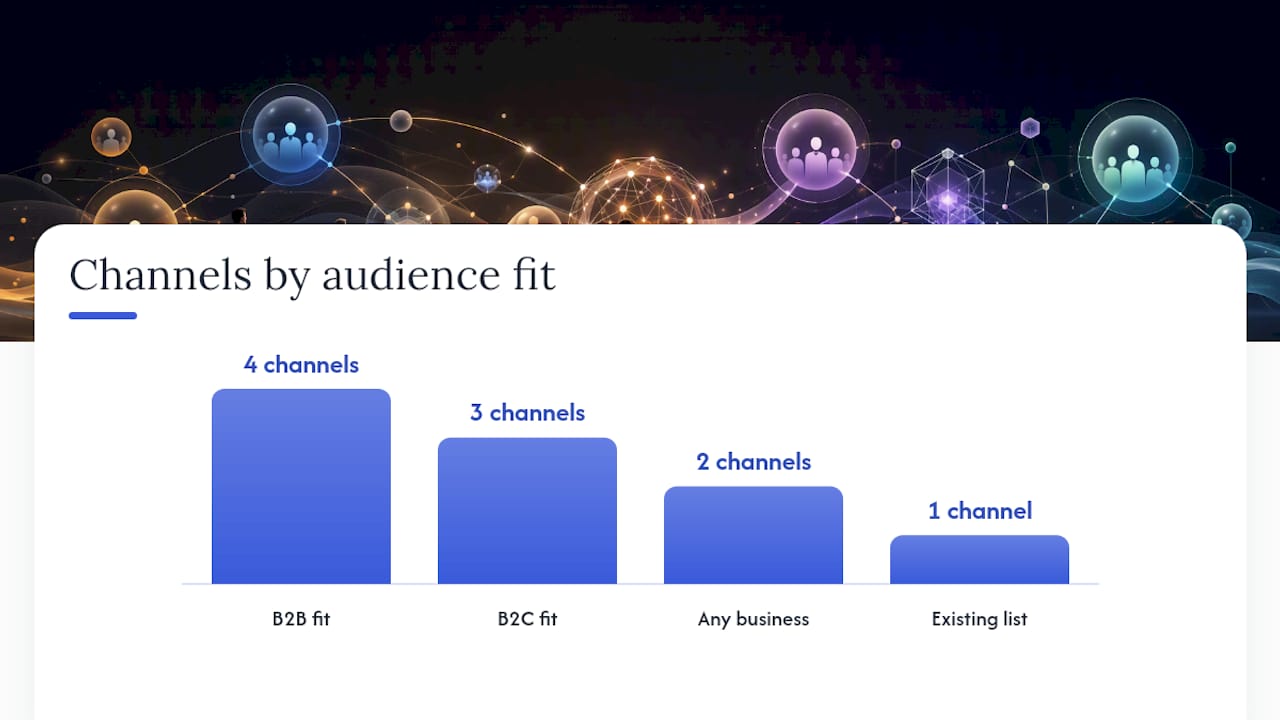
Matching the campaign to the business model is where most marketers save or waste their budget. The channel that works brilliantly for a B2B consulting firm will underperform badly for a beauty clinic, and vice versa.
| Channel | Best fit | Offer type | Lead quality | Relative cost |
|---|---|---|---|---|
| LinkedIn Lead Gen Forms | B2B, professional services | Report, demo, event | High | High CPL, high quality |
| Google Ads (search) | B2B and B2C, local services | Quote, callback, trial | Very high (intent-driven) | Medium to high |
| Meta Ads (Facebook/Instagram) | B2C, service businesses, ecommerce | Quiz, offer, event | Medium | Low to medium CPL |
| Organic SEO + gated content | B2B and B2C, content-led businesses | Report, checklist, guide | High (self-selected) | Low (time investment) |
| Email nurture | Existing list, warm leads | Upgrade, offer, event | High | Very low |
| Referral programme | Any business with satisfied clients | Credit, reward | Very high | Very low |
| Webinar | B2B, high-consideration services | Education + consultation | High | Medium |
| Chat/AI capture | Any business with website traffic | Instant answer, booking | Medium | Low |
Channel sequencing for Australian businesses:
For B2B service businesses (consulting, legal, accounting, marketing agencies), the highest-ROI sequence is typically: organic SEO and LinkedIn content to build awareness, LinkedIn Lead Gen Forms for direct capture, and email nurture to convert. Generating leads through digital marketing requires this kind of layered approach because B2B buyers in Australia rarely convert on first contact.
For B2C service businesses (salons, clinics, spas, fitness), Meta Ads with a quiz or time-limited offer drives the fastest volume. Pair it with Google search ads for local intent (“laser clinic near me”, “best med spa Perth”) and a retargeting sequence for visitors who did not book on first visit.
For product businesses and ecommerce, Google Shopping and Meta Ads drive traffic, but the lead generation layer sits in the post-purchase email sequence and loyalty programme. Gated content (buying guides, comparison tools) captures pre-purchase intent.
Pro Tip: The Marketing Vortex approach combines SEO, paid ads, social, and email into a single funnel rather than running each channel in isolation. When a prospect sees your content via SEO, gets retargeted on Meta, and then receives a personalised email sequence, conversion rates compound. Running channels in silos means you are paying for awareness multiple times without the benefit of recognition.
What tools and platforms do Australian businesses use to run these campaigns?
Every campaign in this article can be built and measured with tools that are fully available in Australia. Here is what each platform does and where it fits in the stack.
HubSpot handles CRM, email automation, landing pages, and lead scoring in one place. Its free tier is genuinely useful for small businesses; paid tiers unlock multi-touch attribution and advanced segmentation. HubSpot’s lead generation training is one of the best free resources for understanding how content, automation, and CRM connect. Best for: B2B service businesses running content-led campaigns.
Salesforce is the enterprise CRM of choice for larger Australian businesses and franchise networks. Its strength is pipeline visibility and sales enablement , the ability to see exactly which marketing activities produced revenue, not just leads. Best for: businesses with a dedicated sales team and complex sales cycles.
LinkedIn Ads (including Lead Gen Forms) is the primary B2B paid channel in Australia. The audience targeting by job title, company size, and industry is unmatched for reaching decision-makers. Minimum effective budget is roughly $1,500–$2,000 AUD/month. Best for: B2B professional services, SaaS, consulting.
Google Ads covers search, display, YouTube, and Performance Max. Search campaigns capture the highest-intent traffic of any paid channel. Lead form extensions reduce friction for mobile users. Best for: local service businesses, any business targeting buyers with active search intent.
Meta Ads (Facebook and Instagram) offers the broadest reach and the lowest CPL for B2C campaigns in Australia. The platform’s strength is interest and behaviour targeting, lookalike audiences, and retargeting. CAPI setup is non-negotiable for accurate attribution. Best for: B2C service businesses, ecommerce, event promotion.
Email platforms (Klaviyo, Mailchimp, ActiveCampaign) handle nurture sequences, broadcast campaigns, and list segmentation. All three are available in Australia and comply with the Australian Spam Act 2003. Klaviyo is the strongest choice for ecommerce; ActiveCampaign suits service businesses with complex automation needs.
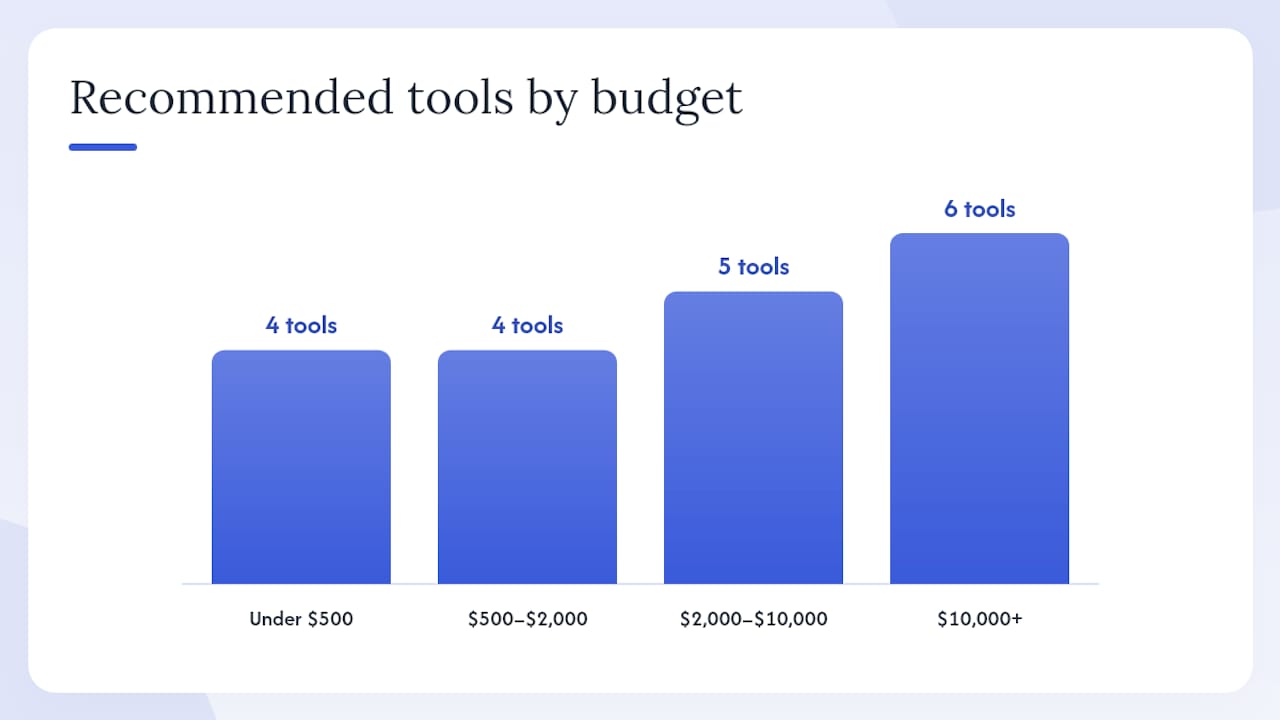
Tool selection checklist by budget:
- Under $500 AUD/month: HubSpot free CRM + Mailchimp + Google Ads (search only) + organic LinkedIn content
- $500–$2,000 AUD/month: HubSpot Starter + Meta Ads + Google Ads + LinkedIn organic
- $2,000–$10,000 AUD/month: HubSpot Professional or Salesforce + LinkedIn Lead Gen Forms + Meta Ads + Google Ads + email automation
- $10,000+ AUD/month: Full Marketing Vortex stack: Salesforce or HubSpot Enterprise + all paid channels + SEO + content + chat + referral programme running simultaneously
AI and GEO (Generative Engine Optimisation): In 2026, getting your brand mentioned in AI-generated answers (ChatGPT, Perplexity, Google’s AI Overviews) is a genuine lead generation channel. Brands that appear in AI responses get traffic without a click. The mechanism is the same as traditional SEO , authoritative, well-structured content that answers specific questions , but the formatting requirements differ. Structured data, clear entity definitions, and consistent brand mentions across the web all improve your chances of being cited by large language models. This is an emerging layer of SEO strategy that forward-thinking Australian businesses are building into their content plans now.
How the Marketing Vortex method integrates these campaigns
The Marketing Vortex is not a single campaign. It is an integrated system where SEO, paid advertising, social media, content, and email work together so that a prospect encounters your brand multiple times across multiple channels before they are asked to buy.
Implementation phases:
- Foundation (weeks 1–4): Set up CRM (HubSpot or Salesforce), configure server-side tracking (CAPI + Google enhanced conversions), build the core landing page, and publish two to three foundational SEO articles targeting high-intent keywords.
- Activation (weeks 5–8): Launch one paid campaign (LinkedIn Lead Gen Forms for B2B, Meta Ads for B2C), activate the email nurture sequence, and begin social content publishing on the primary platform.
- Amplification (weeks 9–16): Add a second paid channel, launch a gated content asset, and set up retargeting audiences from website visitors and video viewers.
- Optimisation (ongoing): Weekly creative refresh, monthly landing page A/B tests, quarterly offer review, and lead scoring calibration based on MQL-to-SQL data.
Typical timeline to signal: Most Australian businesses see meaningful lead volume within 4–6 weeks of a paid campaign launch. SEO takes 3–6 months to produce consistent organic leads, which is why the paid and organic channels run in parallel rather than sequentially.
Integration checklist:
- CRM connected to all ad platforms via native integration or Zapier
- Lead scoring model agreed between marketing and sales before launch
- Shared dashboard showing CPL, MQL count, SQL count, and pipeline value
- Automated handoff: when a lead hits the MQL threshold, a task is created in the CRM for the sales team within 15 minutes
- Monthly review meeting between marketing and sales to recalibrate the MQL definition
Pro Tip: The single biggest failure point in a multi-channel funnel is the handoff between marketing and sales. A lead that sits in a CRM for 48 hours without contact loses 80% of its conversion probability. Automate the first outreach , an SMS or email within 5 minutes of form submission , so no lead goes cold while a salesperson is busy.
The Marketing Vortex method is documented in detail for service businesses that want to see how the full integration works across channels and timelines.
What most marketers get wrong about lead generation campaigns
The conventional wisdom says more channels equals more leads. Run LinkedIn, Google, Meta, email, SEO, and referrals all at once, and the pipeline fills itself. That logic sounds right until you watch a business spend $8,000 a month across six channels and generate fewer qualified leads than a competitor spending $2,000 on one channel done well.
The problem is not the number of channels. It is the absence of a coherent offer. Most campaigns fail at the offer stage, not the distribution stage. A generic “book a free consultation” CTA on a cold audience converts poorly on every channel. The same audience offered a specific, named outcome (“Find out exactly why your Google Ads are wasting 40% of your budget , free 20-minute audit”) converts at three to five times the rate, because the offer does the qualifying work before the form is even submitted.
The second thing most marketers underestimate is creative volume. Launching with two or three ad variants and calling it a test is not a test. The research is clear: you need at least 12–15 variants across your core angles to generate statistically meaningful signal. Most businesses never reach that number because creating variants manually is slow. AI-assisted creative tools change that equation entirely , you can generate 30–50 variants in the time it used to take to write five, which means you find your winning message faster and stop funding losers sooner.
The third overlooked factor is AI and GEO. Getting your brand mentioned in AI-generated answers is now a lead generation tactic in its own right. When a prospect asks ChatGPT or Perplexity “who are the best digital marketing agencies in Perth,” the brands that appear are the ones with consistent, authoritative content across the web. That is not luck. It is the result of deliberate entity-building, structured content, and the kind of content marketing strategy that treats every article as a citation opportunity for large language models, not just a Google ranking target.
Business Warriors runs these campaigns for you
Service businesses and digital-first product businesses across Australia spend months testing campaign templates that a specialist team could launch in two weeks. Business Warriors, led by Jarrod Harman from Perth, builds and runs the full Marketing Vortex stack , SEO, Google Ads, Meta Ads, LinkedIn, email, and content , as a single integrated system rather than a collection of disconnected tactics.
The engagement model is straightforward: a diagnostic session to identify your highest-value campaign opportunity, a pilot campaign to prove the model with your audience and budget, and then a scale phase once the CPL and MQL targets are confirmed. There are no lock-in contracts for the diagnostic phase, and every engagement includes transparent reporting on CPL, MQL count, and pipeline value.
If you are a service business owner or marketing manager ready to move from ad-hoc campaigns to a predictable lead system, see how the Marketing Vortex works and book a strategy session with the Business Warriors team.
Sources
The following sources informed this article and are worth bookmarking for benchmarking and deeper study:
- Adv
- Lead Generation Guide: Best Practices and Considerations
- Developing a lead generation campaign with HubSpot
- 12 LinkedIn Lead Gen Form examples to inspire your next campaign
- Best lead generation campaigns, 5 examples
Recommended
- Lead generation agency strategies for consistent client growth – Jarrod Harman
- Lead Generation Campaigns: Driving Sales Growth Online – Jarrod Harman
- Lead generation in real estate: strategies for Australian agents – Jarrod Harman
- Cutting-edge lead generation methods for better online sales – Jarrod Harman