

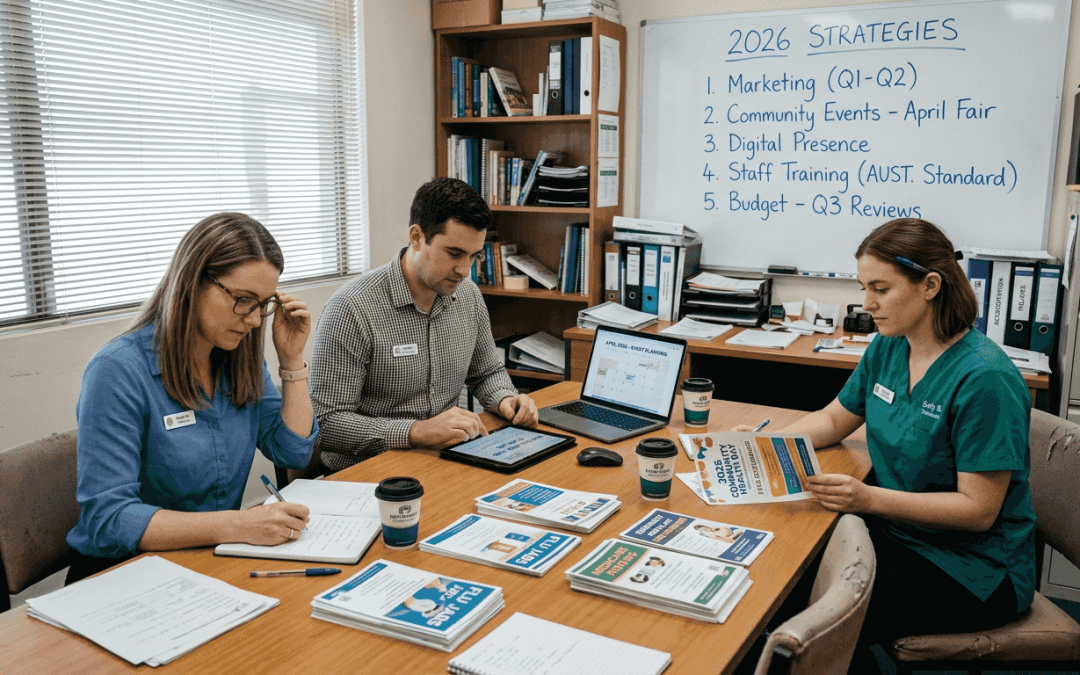
Many pharmacy owners believe location and product range alone drive success, but inadequate marketing is actually a significant factor behind pharmacy closures. This guide reveals innovative, proven strategies that transform marketing from an afterthought into your competitive advantage. You’ll discover how personalised campaigns, AI tools, and omnichannel approaches boost patient acquisition and revenue in 2026.
Table of Contents
- Why Marketing Matters For Pharmacy Success
- Competing With Online Pharmacies: Services And Messaging To Win Patients
- Leveraging Digital Channels And AI To Increase Engagement And Revenue
- Omnichannel And Personalised Campaigns: Synchronising Pharmacy Marketing For Growth
- Boost Your Pharmacy’s Marketing Success With Expert Guidance
- Frequently Asked Questions
Key takeaways
| Point | Details |
|——-|———||
| Marketing failures drive closures | Poor marketing strategies contribute significantly to pharmacy business struggles, often more than product or location issues. |
| Omnichannel boosts engagement | Integrated digital strategies across SMS, email, and social platforms increase patient retention and revenue dramatically. |
| AI enhances conversion rates | Chatbots and automated tools triple engagement time and drive direct bookings through personalised patient interactions. |
| Specialised services win patients | Tailored health offerings like menopause care and functional medicine help independent pharmacies compete against online rivals. |
Why marketing matters for pharmacy success
Your clinical expertise means nothing if patients don’t know you exist. Inadequate marketing is a significant factor contributing to the failure of small businesses, including pharmacies. Too many pharmacy owners assume their qualifications and product quality will naturally attract customers. This assumption costs businesses their future.
A well-defined marketing strategy is crucial for pharmacies to guide their marketing efforts and achieve their business objectives. Without clear direction, promotional activities become scattered, budgets get wasted, and growth stalls. Your marketing strategy should outline target patient demographics, key messages, channel selection, and measurable goals.
Many pharmacists resist marketing because it feels outside their comfort zone. You trained to dispense medications and provide health advice, not to create campaigns or analyse conversion rates. This gap between clinical excellence and marketing capability creates vulnerability. Your competitors who embrace marketing expertise gain market share whilst you wonder why patient numbers decline.
Building stronger connections requires understanding what your target customers actually need. Generic pharmacy services no longer differentiate you in crowded markets. Patients seek personalised experiences, convenient access, and specialised health solutions. Your marketing must communicate these unique value propositions clearly and consistently across every touchpoint.
Key marketing priorities for pharmacy success include:
- Defining your unique positioning against chain pharmacies and online competitors
- Creating patient-centric messaging that addresses specific health concerns
- Selecting digital channels where your target demographics spend time
- Measuring campaign performance to optimise spending and improve ROI
- Building trust through educational content and transparent communication
“Marketing is no longer optional for pharmacy survival. It’s the foundation that connects your clinical expertise with patients who desperately need your services but don’t know you exist.”
Your complete pharmacy marketing guide should integrate clinical knowledge with strategic promotion. Start viewing marketing as patient education rather than sales tactics. When you help people understand health solutions before they need urgent care, you build loyalty that transcends price competition.
Competing with online pharmacies: services and messaging to win patients
Online pharmacies dominate convenience, but they can’t replicate personalised health services. Independent pharmacies can compete by offering services patients want, such as functional medicine, GLP-1s, and services related to perimenopause, menopause, and healthy ageing. These specialised offerings create competitive advantages that purely transactional online stores cannot match.

Patient interests have shifted dramatically towards preventative health. Patients are increasingly interested in preventative health, functional health, peptides, weight loss, and hormone therapy. Position your pharmacy as the local expert in these growing health categories. Develop service packages around menopause management, metabolic health optimisation, and personalised nutrition counselling.
Trust becomes your strongest differentiator when patients understand online pharmacy risks. Shockingly, 95% of online pharmacies selling prescription-only drugs operate illegally. Use this alarming statistic in your messaging to educate patients about counterfeit medications, data security risks, and the absence of professional oversight in illegal online operations.
Effective competitive messaging strategies include:
- Highlighting face-to-face consultations that catch dangerous drug interactions
- Promoting same-day service for urgent prescription needs
- Emphasising pharmacist accessibility for medication questions and health advice
- Showcasing specialised compounding services unavailable through online channels
- Building community connections through local health events and partnerships
Your messaging must address patient concerns directly rather than making generic quality claims. Instead of saying “We provide excellent service,” demonstrate it through patient testimonials about specific health outcomes. Show how your hormone therapy programme helped a 45-year-old woman regain energy, or how your diabetes management service reduced a patient’s HbA1c by two points.
Create content that positions your pharmacy as a health destination, not just a prescription pickup point. Blog about menopause symptoms, film short videos explaining functional medicine approaches, or host workshops on healthy ageing strategies. This educational content attracts patients searching for solutions whilst establishing your expertise.
Pro Tip: Develop a signature service that becomes synonymous with your pharmacy’s brand. Whether it’s a comprehensive menopause care programme or a metabolic health reset package, owning a niche creates word-of-mouth referrals that no online pharmacy can replicate.
Your pharmacy marketing strategies for sales should emphasise outcomes over features. Patients don’t care about your inventory management system. They care about solving health problems, feeling heard, and receiving personalised attention. Structure every marketing message around patient benefits and real health transformations.
Leveraging digital channels and AI to increase engagement and revenue
Digital marketing channels deliver measurable returns that traditional advertising cannot match. Implementing SMS and email marketing can significantly increase revenue and ROI for telehealth pharmacies, with 86x ROI for email and 163x for SMS. These returns justify immediate investment in building subscriber lists and creating automated campaign sequences.
Dual-channel sign-up strategies accelerate list growth whilst giving patients communication preferences. Offer both SMS and email options at checkout, through website pop-ups, and via in-store tablets. Patients who subscribe to multiple channels show higher engagement rates and lifetime value compared to single-channel subscribers.
Artificial intelligence transforms how pharmacies interact with website visitors and app users. AI-powered chatbots increase patient engagement time by 3x and improve retention by reducing bounce rates by 37%. These bots answer common questions instantly, guide patients to relevant services, and collect contact information for follow-up.
Conversational AI does more than answer questions. Conversational AI drives an 18% conversion rate from chat to doctor bookings or purchases. This direct path from curiosity to commitment shortens sales cycles and increases revenue per visitor. Patients receive immediate assistance without waiting for staff availability, improving satisfaction whilst reducing administrative burden.
| Digital Channel | Key Metric | Business Impact |
|---|---|---|
| Email Marketing | 86x ROI | Highest return per dollar invested |
| SMS Marketing | 163x ROI | Exceptional engagement and conversion rates |
| AI Chatbots | 3x engagement time | Keeps patients exploring services longer |
| Conversational AI | 18% conversion rate | Directly drives bookings and purchases |
| Bounce Rate Reduction | 37% improvement | More visitors become patients |
Omnichannel approaches create cohesive patient journeys across touchpoints. A patient might discover your pharmacy through pharmacy advertising ideas 2026 on social media, visit your website where a chatbot answers questions, then receive an email series about menopause management before booking a consultation. Each interaction builds upon the previous one, nurturing trust and demonstrating value.
Implementing these digital tools requires strategic sequencing:
- Start with email marketing to build your foundational communication channel
- Add SMS for time-sensitive messages like prescription ready notifications
- Integrate AI chatbots to handle common enquiries and capture leads 24/7
- Deploy conversational AI to guide patients through service selection
- Connect all channels so patient data flows seamlessly between systems
Pro Tip: Use AI chatbots to qualify leads before human staff get involved. Programme bots to ask screening questions about health goals, budget constraints, and service interests. This pre-qualification ensures your team spends time with serious prospects rather than casual browsers.
Learn more about implementing AI in customer engagement to understand advanced tactics for pharmacy applications. The technology continues evolving rapidly, offering new capabilities for personalisation and automation that increase efficiency whilst improving patient experiences.
Omnichannel and personalised campaigns: synchronising pharmacy marketing for growth
Omnichannel marketing integration delivers results that single-channel approaches cannot achieve. Omnichannel HCP marketing achieved 10.5% script lift and 7.4:1 ROI, generating 236 new prescriptions and engaging 459 new-to-brand prescribers. These results demonstrate how coordinating messages across electronic health records, social media, and traditional channels creates multiplicative effects.
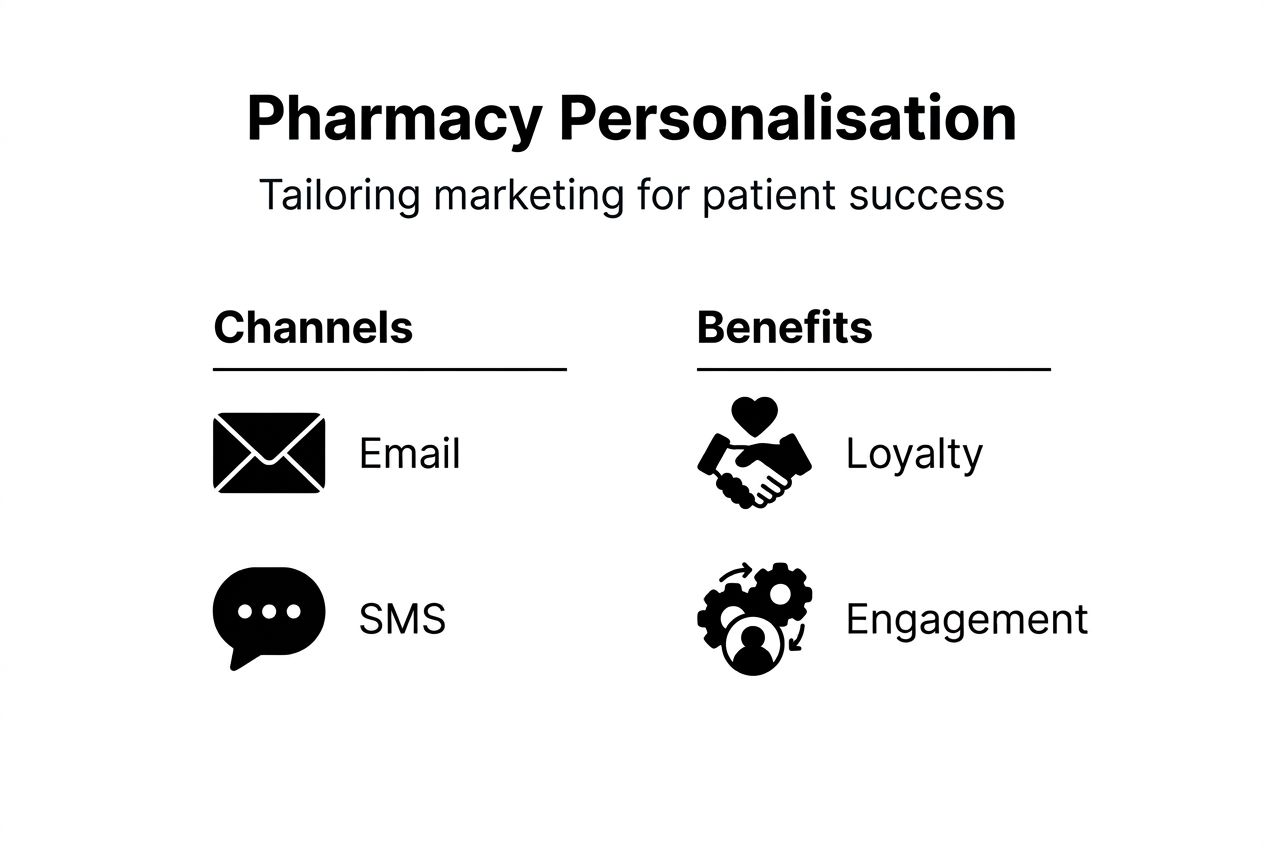
Personalisation transforms generic promotions into relevant patient communications. Personalised marketing campaigns increased online revenue by 78% for a leading pharmaceutical retailer. Segmenting patients by health interests, purchase history, and demographic factors allows tailored messaging that resonates personally. A 48-year-old woman receives menopause content whilst a 65-year-old man sees diabetes management information.
Workflow-native messaging reaches healthcare professionals where they actually work. Instead of hoping doctors notice your promotional emails, integrate messages directly into EHR systems they use during patient consultations. This contextual placement increases attention and allows actionable information delivery precisely when prescribing decisions occur.
Synchronising platforms creates a surround sound marketing effect. Patients encounter your pharmacy’s message on Instagram, see a retargeting ad whilst browsing health websites, receive an email about relevant services, and hear about your expertise from their doctor. This multi-touch exposure builds familiarity and trust faster than any single channel could achieve alone.
| Strategy Component | Implementation Approach | Expected Outcome |
|---|---|---|
| EHR Integration | Embed messages in clinical workflows | Higher healthcare professional engagement |
| Social Media Coordination | Align content themes across platforms | Consistent brand messaging and recall |
| Email Segmentation | Personalise based on patient data | 78% revenue increase potential |
| Retargeting Campaigns | Follow website visitors with relevant ads | Improved conversion rates |
| Cross-Channel Analytics | Track patient journey across touchpoints | Optimised budget allocation |
Implementing effective omnichannel pharmacy marketing requires six strategic steps:
- Audit existing channels to identify gaps and disconnects in patient communication
- Integrate systems so patient data flows automatically between platforms
- Develop content libraries organised by patient segments and health topics
- Create automated workflows that trigger relevant messages based on patient behaviours
- Test message timing and frequency to optimise engagement without overwhelming patients
- Analyse cross-channel attribution to understand which combinations drive best results
Seamless experiences make every patient feel valued and understood. When someone enquires about weight loss services through your chatbot, follows up via phone, then visits in person, your staff should have complete context. This continuity eliminates frustrating repetition and demonstrates organisational competence that builds confidence.
Pro Tip: Map your ideal patient journey from first awareness through loyal advocacy. Identify every touchpoint where patients interact with your pharmacy, then design coordinated messages that guide them smoothly through each stage. This journey mapping reveals gaps and opportunities that scattered marketing approaches miss.
Your marketing for pharmacists should prioritise integration over isolated tactics. A brilliant Instagram campaign means little if it doesn’t connect with your email nurturing sequence and in-store experience. Modern patients expect consistency and convenience across every interaction with your business.
Boost your pharmacy’s marketing success with expert guidance
Transforming marketing theory into pharmacy growth requires specialised expertise and consistent execution. Professional marketing services customise proven strategies to your unique patient demographics, competitive landscape, and business goals. Rather than learning through costly trial and error, partner with experts who’ve already achieved results for pharmacy clients.
Business Warriors specialises in scalable marketing systems for service-based businesses including pharmacies across Australia. Our Marketing Vortex approach integrates SEO consultant Perth expertise with targeted advertising, email automation, and conversion optimisation. We’ve helped pharmacy owners implement the exact strategies covered in this guide, from AI chatbots to omnichannel campaigns that drive measurable patient acquisition.
Our lead generation strategies digital marketing services build consistent patient flow through your pharmacy doors and online channels. We handle the technical complexity whilst you focus on clinical excellence. From Google Ads targeting local health searches to Meta campaigns promoting specialised services, we create marketing systems that work whilst you sleep. Explore our comprehensive pharmacy marketing complete guide to see how we help pharmacy owners achieve growth through strategic, data-driven marketing.
Frequently asked questions
What are the most effective marketing channels for pharmacies in 2026?
SMS, email, omnichannel campaigns, and AI chatbots are highly effective for pharmacies in 2026. These digital channels deliver measurable ROI whilst enabling personalised patient communication at scale. Combining online and offline channels ensures maximum reach and engagement across different patient demographics. Review pharmacy advertising ideas 2026 for specific tactical implementations that drive results.
How can independent pharmacies compete with online pharmacies?
Offer specialised health services that online stores cannot replicate, such as personalised menopause care, functional medicine consultations, and compounding services. Build trust through patient education about pharmacy safety and the alarming reality that 95% of online prescription pharmacies operate illegally. Personalise marketing messages to patient needs including perimenopause, preventative health, and hormone therapy to demonstrate expertise online competitors lack. Implement strategies from pharmacy marketing strategies boost sales to differentiate effectively.
What role does AI play in pharmacy marketing?
AI-powered chatbots increase patient interaction times by 3x and reduce bounce rates by 37%, keeping visitors engaged longer on pharmacy websites. Conversational AI drives direct bookings and purchases through personalised communication, achieving 18% conversion rates from chat interactions. AI enables smarter audience targeting and marketing automation that delivers relevant messages based on patient behaviours and interests. Explore AI in marketing client acquisition and AI customer engagement guide for implementation strategies.
How much should pharmacies invest in digital marketing?
Investment depends on revenue goals, competitive intensity, and current patient acquisition costs. Start with 5-10% of revenue allocated to marketing, then scale based on measurable returns. SMS and email marketing deliver exceptional ROI at relatively low costs, making them ideal starting points. As you prove channel effectiveness through data, increase spending on highest-performing tactics whilst maintaining diversified channel mix to reduce risk.
What metrics should pharmacies track to measure marketing success?
Track patient acquisition cost, lifetime value, conversion rates by channel, email open and click rates, SMS response rates, website traffic sources, and booking conversion rates. Monitor prescription volume trends, average transaction value, and retention rates to understand long-term marketing impact. Use attribution modelling to identify which marketing touchpoints contribute most to patient conversions, then optimise budget allocation accordingly for maximum ROI.
Recommended
- Marketing for pharmacists in 2026: boost client growth – Jarrod Harman
- Pharmacy marketing strategies Australia 2026: boost sales – Jarrod Harman
- Advertising ideas for pharmacy: boost client acquisition in 2026 – Jarrod Harman
- Marketing Pharmacy in Australia 2026: 30% More Leads & Sales – Jarrod Harman
- 7 Digital Marketing Trends 2025 for Mid-Market Success – BizDev Strategy